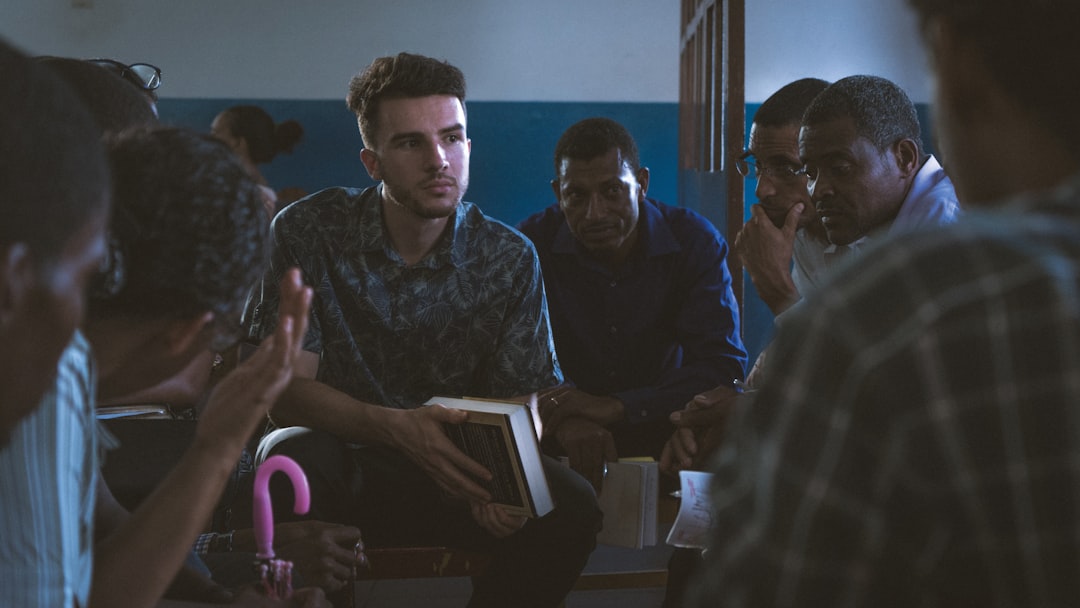
Cost-Effective Children’s Ministry Solutions for Small Churches

Overcoming Financial Constraints in Children’s Ministry

Small churches often find themselves in a challenging predicament: a vibrant community of young attendees eager to learn and grow, but limited financial resources to support their spiritual education. The real issue is not merely a lack of funds—it’s the misconception that quality must come with a high price tag. In truth, the landscape of children’s ministry is evolving with innovative solutions that emphasize resourcefulness over expenditure, thereby bridging the gap between financial constraints and impactful ministry.

Revisiting Budget Priorities

Most small church leaders assume they cannot afford top-notch educational materials, but the problem lies in prioritizing spending rather than the availability of funds. Cutting-edge curriculums like Wonder Ink offer comprehensive teaching resources that include everything from detailed lesson plans to engaging activities, all at a fraction of the traditional cost. For example, a small church in rural Texas transformed its Sunday school program using Wonder Ink, all while maintaining fiscal discipline. It’s not about how much you spend—it’s about making informed spending decisions that align with educational goals.

Enhanced Learning with Cost-Effective Curriculums

The notion that you must compromise on quality to save money is a fallacy. Affordable curriculums bring substantial educational value by offering structured, dynamic content that captivates young minds and strengthens their faith foundation. For instance, after implementing Wonder Ink, the church in Texas saw a notable rise in student attendance and engagement. Teachers, who previously spent countless hours preparing, now feel more confident and supported thanks to these well-structured resources. The real advantage is not just in savings, but in the enriched learning experience these curriculums afford.

Actionable Steps to Revitalize Children’s Ministry

To breathe new life into your children’s ministry, start by exploring affordable curriculum options that suit your budgetary constraints. Many programs, like Wonder Ink, offer free trials, allowing you to evaluate their impact without financial risk. Begin by utilizing these trials to test effectiveness and suitability, ensuring that the program aligns with your ministry’s goals. Remember, the key is not just to save money but to optimize every dollar spent toward genuine educational growth.

Sustaining Impact Beyond Implementation

Failure to consider affordable curriculum solutions could lead to stagnation, eroding the spiritual engagement of young attendees over time. Investing in cost-effective programs ensures that your church remains a nurturing environment where every child can access quality Christian education. Sustainable growth and ministry vibrancy are no longer tied to large budgets but to strategic resource management and determination to prioritize impactful learning experiences. Ready to transform your children’s ministry? Talk to us about partnering to access the right resources tailored to your needs.

References

📸 Photo from Unsplash.

Empowering Teachers for a Stronger Sunday School Program

Revitalizing Sunday School: The Crucial Role of Teacher Empowerment

In many churches, Sunday school is often seen as a routine obligation rather than a dynamic opportunity for transformation. The crux of the issue isn’t about the lack of resources—it’s about the lack of strategic teacher empowerment. A Sunday school program can only be as effective as the teachers leading it. When teachers are not just equipped but truly empowered, they become catalysts for lifelong spiritual growth in children.

Transformative Training: From Passive to Proactive

Most churches assume that a few training sessions are sufficient, but in practice, this often leads to stagnation. Effective teacher training should not be sporadic or superficial. Instead, it must be ongoing and immersive. This means moving beyond generic workshops to create personalized development plans that address specific needs and challenges. By transforming training from passive consumption to proactive engagement, teachers can better inspire and connect with their students.

Building a Cohesive Church Community

Teachers who are empowered through continuous learning and support don’t just improve classroom dynamics—they strengthen the entire church community. With enhanced skills in classroom management and lesson delivery, these teachers create environments where children feel valued and understood. This sense of belonging extends beyond the classroom, fostering a unified church community with a shared vision and purpose.

Resource Accessibility: More Than Just Materials

Access to resources isn’t just about having materials; it’s about having the right materials at the right time. Churches should prioritize providing teachers with well-curated resources that align with their teaching goals. This includes access to online platforms, interactive tools, and community forums for idea exchange. Such resources empower teachers to craft more engaging and impactful lessons, elevating the quality of education provided.

The Cost of Complacency

What feels like a limitation is often a decision not to prioritize. Neglecting teacher development is a costly oversight that can lead to disengaged students and uninspired teachers. Without a commitment to ongoing growth, teachers may struggle to maintain enthusiasm, leading to an educational experience that falls flat. It’s crucial to recognize that investing in teacher empowerment is not an optional extra—it’s a fundamental necessity for nurturing the spiritual growth of the church’s youngest members.

Your Next Step

Are you ready to transform your Sunday school program through empowered teaching? Talk to us today to explore how we can support your church in building a thriving, impactful Sunday school environment.

Further Reading

📸 Photo from Unsplash.

The Digital Transformation of Sunday Schools

The Pressure to Modernize Sunday Schools

In the rapidly evolving landscape of children’s education, Sunday schools face a critical decision: adapt or risk irrelevance. The challenge is not merely about keeping up with technological trends but about meeting the spiritual and educational needs of a generation born into a digital world. The problem is not the availability of resources; it’s the willingness to embrace change and innovate.

Redefining Engagement with Digital Tools

Most Sunday schools assume traditional methods suffice, but in practice, they often fall short. Digital curricula offer more than just flashy gadgets; they provide a platform for deeper engagement through interactive media, online collaboration, and personalized learning experiences. This means moving beyond mere consumption of information to fostering genuine interaction and growth.

Overcoming the Hurdles of Digital Adoption

Transitioning to a digital curriculum is not without its challenges. It requires significant investment in infrastructure and training. Yet, the real hurdle is often cultural resistance. Churches must cultivate a mindset open to change and innovation, which is often more daunting than the technical aspects of implementation. The issue is not tools—it’s the commitment to consistent execution.

Addressing Inequity in Access

One uncomfortable truth is that digital transformation can widen the gap between those with access to technology and those without. Churches must prioritize equitable access, ensuring that all children, regardless of their socioeconomic status, can participate fully. This may involve providing devices and internet access or creating communal learning spaces within the church.

Rethinking the Cost of Tradition

Clinging to traditional curricula under the guise of preserving heritage can hinder the growth of children’s ministries. The cost of staying traditional is not financial but relational. It risks alienating a generation that finds digital interaction more natural and engaging. The real cost is the missed opportunity to connect with and inspire young minds in ways that resonate with their daily lives.

Is your Sunday school ready to make the leap into the digital age? Talk to us for expert guidance and resources to embark on this transformative journey.

References

Tailoring Curriculum for Small Churches: Strategies for Success

Breaking the Mold of One-Size-Fits-All Curriculums

Small churches often find themselves caught in a cycle of compromise. With limited budgets and resources, pastors and leaders are pressured to make do with curriculum materials designed for larger congregations. This mismatch demands not just creativity but a strategic overhaul of how educational content is tailored to fit the unique needs of smaller faith communities.

Reimagining Curriculum Flexibility

Most churches assume that curriculum limitations are purely financial. In reality, the challenge lies in finding adaptable resources that resonate with their congregation’s specific spiritual journey. Many curriculums are rigid, expecting a one-size-fits-all application that rarely fits the nuanced dynamics of smaller groups. The problem is not the lack of resources; it’s the lack of flexibility in existing materials.

Strategies for Tailored Teaching

To break free from these constraints, small churches should prioritize curricula that offer customization. Seek out providers who understand the need for adaptation and offer resources that can be molded to fit varying age groups and learning styles. Training volunteers to modify these materials ensures that teachings are not only relevant but also deeply engaging, fostering a more meaningful connection with learners.

Think Outside the Budget Box

Most churches think they have a budget problem when they really have a creativity problem. Consider thematic units that can be adapted for a range of ages. This strategy not only conserves financial resources but also creates a cohesive learning journey across different age groups. Additionally, utilizing free online resources and integrating them into your existing curriculum can inject diversity into your teaching without straining your budget.

The Uncomfortable Truth of Complacency

The risk of not adapting your curriculum is larger than you might think. A lack of engagement in Sunday school can lead to dwindling attendance and missed opportunities for spiritual growth. The issue isn’t just about keeping children interested; it’s about nurturing an active, vibrant faith community that feels seen and heard. What seems like a limitation is often a decision to not prioritize customization.

Ready to transform your church’s educational approach? Talk to us at The Paidion Foundation and discover how we can support your journey towards a more tailored and impactful curriculum.

Resources for Further Exploration

📸 Photo from Unsplash.

Empowering Parents: Integrating Faith into Daily Life

Addressing the Disconnect: Bridging Church Teachings and Everyday Life

Many parents struggle with a critical challenge: translating Sunday school lessons into meaningful daily practices. The issue isn’t about lacking resources; it’s about recognizing that religious education isn’t confined to the walls of a church. In practice, the real work begins at home, where faith must be woven into the fabric of daily life.

Breaking Down the Myths of Parental Involvement

Most assume that effective spiritual education requires deep theological knowledge. The truth is, it’s about presence and consistency, not perfection. Parents don’t need to be theologians; they need to be present. By engaging in conversations about faith and modeling Christian values in everyday actions, parents demonstrate the lived reality of their beliefs. This sets a powerful example for their children and underscores faith as a daily journey, not just a weekly event.

The Unspoken Barrier: Fear of Inadequacy

Many parents fear they’re unqualified to teach faith, believing they lack the expertise or time. This fear is a barrier, not a reality. With support from church communities, parents can overcome these anxieties by embracing simple, intentional practices. Engaging in nightly prayers, discussing biblical stories over meals, or participating in community service as a family are practical ways to integrate faith effortlessly into the home.

The Cost of Passive Involvement

When parents take a passive role, children may see faith as irrelevant or disconnected from their daily experiences. This can lead to a shallow understanding of religious identity, leaving them unanchored as they grow. Active engagement, however, ensures that faith becomes a natural and integral part of their lives, continually shaping their values and decisions.

Actionable Strategies for Parents

Churches are pivotal in supporting parents by offering resources that make home engagement more accessible. Churches should provide practical workshops and create take-home materials that align with Sunday lessons, enabling parents to continue faith discussions throughout the week. Additionally, fostering small groups or organizing family-oriented events can reinforce community bonds and shared learning experiences.

Taking the First Step

For parents eager to nurture their child’s spiritual growth, the first step is simple: start with small, consistent actions. Don’t aim for grand gestures; focus on integrating faith into everyday moments. And if you’re looking for guidance or support, talk to us at The Paidion Foundation. We’re here to assist you in this rewarding and essential journey.

Further Reading

📸 Photo from Unsplash.

Thriving in Small Churches: Creative Resource Management

Confronting the Resource Challenge

Small churches frequently encounter the harsh reality of limited resources and minimal staffing, severely affecting their ability to maintain vibrant Sunday school programs. Yet, the real issue isn’t just a lack of resources; it’s often a hesitation to innovate and collaborate. By shifting perspective and embracing creative solutions, small churches can transform these obstacles into opportunities for growth and sustainability.

Breaking the Isolation Barrier

Many small churches operate in isolation, missing out on the potential benefits of community partnerships. Establishing connections with larger congregations or local organizations can be a game-changer. For example, a small church in Ohio partnered with a larger church to co-host holiday camps, sharing resources and enhancing the experience for all involved. The challenge isn’t the absence of resources; it’s the reluctance to reach out and share.

Empowering Volunteer Engagement

Volunteer scarcity is a common concern for small churches, but the solution lies in empowerment, not just recruitment. Creating a culture where members feel a deep sense of ownership can revolutionize volunteer dynamics. Tailoring roles to fit individual skills and passions not only attracts more volunteers but also keeps them engaged and motivated. Most churches assume a lack of interest, but in practice, it’s a lack of personal connection and engagement that holds them back.

The High Stakes of Ignoring Resource Issues

Failing to address resource management isn’t just a logistical oversight; it’s a strategic blunder that risks the church’s future vitality. When programs stagnate due to mismanaged resources, young congregants may drift toward more dynamic communities. The issue isn’t just about resources; it’s about failing to prioritize what truly matters—nurturing the next generation.

Actionable Steps for Sustainable Growth

The path forward begins with a pragmatic assessment of available resources and potential partnerships. Conducting a detailed resource audit can uncover areas ripe for collaboration. Additionally, exploring budget-friendly curriculum options tailored to smaller congregations can stretch limited funds further. By stepping beyond their own walls and engaging with other community entities, small churches can forge a robust support network that enriches their educational programs.

For tailored guidance on enhancing your resource management strategies, we invite small churches to talk to us. Our team is ready to support you in building a thriving Sunday school program that stands the test of time.

📸 Photo from Unsplash.

Digital Curriculums: Bridging the Gap in Modern Sunday Schools

Addressing the Digital Realities in Sunday Schools

Today’s church leaders face an undeniable challenge: engaging children who are growing up in a digital world. The solution isn’t about clinging to outdated methods but embracing digital curriculums to make faith education relevant and compelling. Churches that adapt will thrive; those that don’t risk fading into irrelevance.

Seizing the Potential of Digital Curriculums

Embracing digital resources is not just about keeping up with technology. It’s about providing a dynamic, scalable solution that can transform Sunday schools into vibrant communities of learning. Digital platforms deliver a treasure trove of interactive materials that can enliven teaching, making it more relevant and insightful for today’s tech-savvy children.

Busting the Myths: Digital Doesn’t Dilute

Many fear that technology dilutes spiritual depth. The reality is that, when thoughtfully crafted, digital curriculums enrich spiritual teachings. Through multimedia, engaging quizzes, and practical application activities, these resources can foster a deeper, more meaningful understanding of faith.

The Cost of Ignoring Change

It’s simple: ignoring digital advancements leads to disengagement. Younger generations, raised in a digital environment, are likely to tune out traditional teaching methods. Failing to adapt risks shrinking Sunday school attendance and weakening community bonds within the church.

Strategic Adoption of Digital Tools

Churches need to take decisive steps. Start with a trial of digital curriculums tailored to your community’s needs. Equip your teachers and parents with the necessary knowledge through comprehensive training sessions. This proactive approach ensures a seamless integration of technology and tradition, fostering an inclusive educational environment.

Investing Wisely in the Future

While the initial investment in digital tools might seem daunting, the long-term benefits are clear. Regular updates to digital resources eliminate constant material replacements, offering cost-effectiveness while ensuring that all children have access to consistent, quality education in the faith.

The transformation to digital curriculums is not merely an option but a pivotal step in meeting the needs of contemporary generations. To explore effective strategies for this vital transition, talk to us today.

References

📸 Photo from Unsplash.

Connecting Families: The Power of Parental Involvement in Children’s Ministry

Breaking the Disconnect: Engaging Parents in Children’s Spiritual Growth

Churches everywhere are facing a silent crisis: the disconnect between children’s ministry and parental involvement. While Sunday school teachers pour their hearts into crafting meaningful lessons, many parents remain on the sidelines, unsure of how to engage or feeling too overwhelmed by daily life to participate effectively. The challenge isn’t just integrating parents; it’s transforming their role from passive observers to active participants in their child’s spiritual journey.

Beyond Curriculum: Crafting a Shared Vision for Spiritual Growth

Most churches believe that providing a robust curriculum is enough. In practice, the real issue is not the curriculum itself but the lack of a cohesive vision that includes parents. Churches must move beyond offering resources to creating a shared vision for spiritual education that parents can buy into. This means designing programs not just for children, but with parents in mind, offering them tools and insights to reinforce learning at home. A curriculum like the 252 Church Curriculum serves as a valuable model for integrating parental roles effectively.

Breaking Down Communication Barriers

Effective communication is often taken for granted, yet it’s the linchpin of successful parental involvement. Many organizations assume communication is happening, but in practice, it often falls short. Regular updates and transparent dialogues are essential. Consider implementing bi-monthly workshops, as some churches have done, where parents can voice their concerns, celebrate successes, and learn how to discuss faith with their children. This not only fosters a sense of community but empowers parents to take a more active role.

Empowering Parents with Practical Tools

Many parents hesitate to get involved simply because they feel ill-equipped. What feels like a limitation is often a decision not to prioritize equipping parents with the right tools. Churches need to provide clear guidelines and practical resources that parents can utilize at home. Whether through resource sessions on child development or digital content accessible at any time, supporting parents in this way is crucial for sustained engagement.

Creating a Supportive Community

Isolation is the enemy of engagement. By fostering a community where parents can connect, share, and grow together, churches can transform the involvement landscape. Initiatives like newsletters, group chats, or social media platforms can facilitate this community building, offering parents a network of support that extends beyond the church walls.

It’s time to rethink how we involve parents in children’s ministry. The problem is not a lack of resources; it’s a lack of commitment to making parents key partners in spiritual education. If you’re ready to bridge this gap and enhance the spiritual development of young members, talk to us today.

📸 Photo from Unsplash.

Comprehensive Training: The Backbone of Sunday School Success

Redefining Sunday School Success Through Strategic Training

In the heart of your church, Sunday school teachers face a pivotal challenge: how to transform traditional sessions into vibrant, faith-filled experiences. The real issue isn’t a lack of dedication; it’s the absence of a structured, strategic training program. Most churches assume that occasional workshops are sufficient, but in practice, this approach often leaves teachers ill-equipped for the dynamic needs of today’s youth.

Training That Transcends Basics

Most training programs skim the surface, focusing on basic teaching techniques. However, the real problem isn’t the simplicity of these methods—it’s their failure to address the complexities of engaging young minds in a meaningful way. Comprehensive training should delve into child psychology, innovative pedagogies, and interactive technology use, transforming the classroom into a space where faith and curiosity thrive.

Why does this matter? Because when teachers are well-trained, they don’t just impart knowledge; they inspire transformation. This leads to a learning environment where children are not passive recipients but active participants in their spiritual journey.

Building a Culture of Continuous Growth

One-off training sessions create a false sense of preparedness. What truly sets successful programs apart is the commitment to ongoing development. Establishing a culture of continuous learning—through regular workshops, peer support groups, and access to a rich library of resources—ensures that teachers remain adaptable and inspired.

Church leaders must understand that the issue isn’t the availability of resources—it’s the willingness to prioritize and allocate time for continuous improvement. By doing so, they cultivate a thriving educational ecosystem that continually evolves to meet the changing needs of their community.

Overcoming Resource Constraints with Creativity

For many smaller churches, the idea of an extensive training program feels unattainable due to limited resources. However, this perceived limitation is often a decision not to prioritize resourcefulness. Embracing online platforms and forming collaborative networks with nearby churches can provide access to shared expertise and training opportunities.

It’s crucial to develop a training framework that is both structured and flexible, allowing it to adapt to the realities of resource-limited settings while still delivering impactful results. This approach not only enhances teaching practices but also strengthens community bonds.

Take the Next Step Toward Transformation

To truly revolutionize your Sunday school program, the commitment must extend beyond the classroom. Reach out to partners who can help tailor a training regimen that aligns with your church’s unique needs and aspirations. Talk to us today to initiate a partnership that will empower your teachers and enrich the spiritual lives of your students.

📸 Photo from Unsplash.

Overcoming Barriers: Navigating the Transition to Digital Sunday School Curricula

Turning Challenges into Opportunities: The Digital Shift in Sunday School

In today’s fast-evolving digital landscape, the decision to transition Sunday school programs to digital curricula is becoming increasingly compelling. Yet, this ambitious shift often uncovers a complex web of resistance and confusion. Church leaders face a pivotal moment: will they succumb to these challenges or courageously transform them into opportunities for growth? The problem is not the digital tools themselves; it’s an often-unrecognized gap in digital literacy and preparedness among educators that stalls progress.

Bridging the Digital Divide with Purposeful Training

Transitioning to a digital curriculum without robust training is like setting sail without a compass. Most teams assume that a simple introduction to new software suffices, but in practice, inadequate preparation leaves educators overwhelmed and underconfident. The key is to implement a deliberate, ongoing training strategy. Churches should conduct workshops that not only teach the technological basics but also inspire confidence and creativity in using digital tools. Assigning tech mentors is crucial; they serve not as crutches but as catalysts for independence and innovation. Consider leveraging platforms like DIG IN Sunday School Curriculum for rich, supportive resources.

Proving Concepts with a Pilot Program

Starting small with a pilot program is not a cautious step—it’s a strategic masterstroke. Many fear the perceived risk of digital transitions, but a well-executed pilot reveals real potential and uncovers hidden challenges. This approach acts as a litmus test, enabling adjustments before a full-scale rollout. Feedback from these trials helps tailor training and refine digital tools to meet the specific needs of your community, resulting in a more seamless integration.

Facing Reality: The Cost of Complacency

Avoiding the shift to digital curricula due to perceived barriers can lead to stagnation. Teachers may resort to outdated methods, stifling interaction and creativity, while simultaneously missing out on innovative ways to engage students. This reluctance results in untapped potential and wasted resources. It’s time to confront the uncomfortable truth: what feels like a limitation is often a decision not to prioritize progress. By actively addressing these challenges, churches can unlock enhanced learning experiences and foster dynamic educational environments.

The transformation of Sunday school programs into vibrant, cutting-edge experiences requires action. Don’t let fear of the unknown hold you back. If your church is ready to embark on this digital journey and empower your teaching staff, talk to us and discover how we can guide you through the transition effectively and inspiringly.

References

📸 Photo from Unsplash.