Archives June 2026

Strengthening Community Bonds Through Sunday School Programs

Reimagining Sunday School: Beyond Teaching to Transforming

Churches often face a silent challenge: maintaining genuine connections within their communities. While sermons and services serve their purpose, the real glue lies in shared experiences that foster deep bonds. The issue isn’t the lack of resources; it’s a missed opportunity to leverage the potential of Sunday school programs as community cornerstones.

Rethinking Family Dynamics in Church

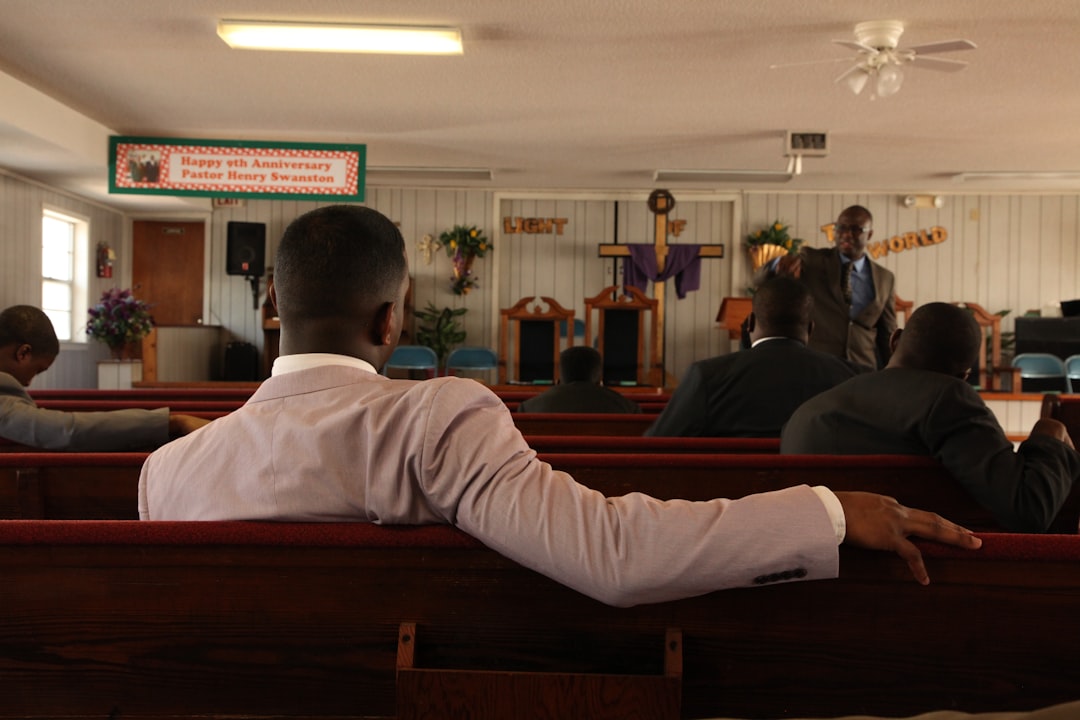
Most churches assume that Sunday schools are just for children. In practice, this narrow focus overlooks a critical element: the family. By engaging parents and guardians actively in Sunday school activities, churches can create an environment that nurtures not just individual spirituality but collective growth. This is about transforming Sunday school into a family affair, strengthening ties that extend beyond the church walls.

The Urgency of Community Building

In a world saturated with distractions, the church must stand as a pillar of unity and support. The urgency lies in creating a space where families come together, not just to learn but to live their faith. Sunday school is the perfect platform to cultivate a sense of belonging and shared purpose, key factors in retaining and energizing church members.

Practical Steps for Genuine Engagement

Building stronger community bonds requires intentional action. It’s not enough to hold events; these gatherings must resonate with families:

  • Interactive Sessions: Design Sunday school classes that require parent-child collaboration. Simple activities like joint storytelling or crafting can open doors for meaningful interaction.
  • Family-Centric Events: Organize events that invite whole families to participate, such as family retreats or service projects. These shared experiences can deepen relationships and build a sense of communal achievement.
  • Open Dialogue: Host regular forums where families can discuss their spiritual journeys, challenges, and triumphs. This encourages transparency and trust within the church community.

The Real Cost of Ignoring Community

Ignoring the importance of community can lead to isolation within the congregation. When churches do not prioritize inclusive environments, they risk losing members who feel disconnected and undervalued. The issue isn’t the lack of interest but often a failure to invite active participation. A church that neglects community is a church that risks stagnation.

Taking Action: Building Sustainable Community Models

To foster a thriving church community, consider adopting strategies from established programs like the Global Ministries Training Seminars. These resources offer insights into creating sustainable, resilient community models that transcend traditional boundaries.

At The Paidion Foundation, we believe in transforming Sunday school from a routine to a revolution in community engagement. Talk to us to explore how we can help you create a more connected and vibrant church community.

References

📸 Photo from Unsplash.

Harnessing Digital Tools for a Modern Sunday School Experience

Redefining Sunday School for the Digital Age

In the heart of a vibrant church community, we face a pressing challenge: capturing the attention and imagination of the digital generation. The problem isn’t a lack of content—it’s the outdated methods that fail to engage children who live in a world of screens and interactive experiences. Most church leaders think they’re keeping up by maintaining traditional measures, but in practice, they’re falling behind. The real question is, how do we harness technology to transform Sunday schools into hubs of dynamic learning and spiritual growth?

Breaking Away from Traditional Constraints

The issue isn’t just whether to introduce technology, but how to do it with purpose. Digital tools aren’t merely additions to existing frameworks; they are catalysts for creating richer, more engaging environments. By integrating platforms like DIG IN Sunday School Curriculum, we can animate Bible stories and concepts in ways that resonate with today’s children. This isn’t about replacing traditional methods but enhancing them to foster deeper connections.

The Imperative of Digital Integration

Consider the following: technology is already woven into the fabric of young lives. Ignoring this fact isn’t just a missed opportunity—it’s a disservice to their potential spiritual journey. Digital tools facilitate not only engagement but also accessibility, levelling the playing field for smaller congregations that cannot afford extensive physical resources. The bottom line is clear: embracing digital innovation is no longer optional; it’s essential to remain relevant.

Strategic Implementation is Key

To effectively integrate digital tools, churches must start by identifying what their specific needs are and choose resources that align with their educational objectives. Opt for apps, videos, or interactive games that complement your curriculum. But here’s an uncomfortable truth: many churches overlook the importance of training. Without equipping educators to use these tools effectively, the potential of digital resources remains untapped. The tools are only as good as those who wield them.

The Cost of Inaction

Neglecting digital integration isn’t just about missing trends; it’s about losing the youth who are the future of the church. An uninspired Sunday school program risks alienating children accustomed to engaging, multimedia experiences. Churches that fail to innovate risk becoming obsolete, stifling spiritual growth rather than nurturing it.

Taking the Next Steps

Ready to take action? Start by exploring resources available through sites like Ministry To Children. These platforms provide a wealth of free resources to get you started. But if you need tailored strategies to maximize your church’s impact, talk to us at The Paidion Foundation. Together, we can craft a plan that revitalizes your Sunday school and ignites a passion for faith in the next generation.

References

Overcoming Budget Barriers: Implementing Effective Sunday School Curriculums

Facing the Reality of Limited Budgets in Sunday Schools

Picture a Sunday school coordinator at a small church, meticulously allocating limited funds, aware that every dollar counts. This scenario resonates widely. Churches understand the need for a high-quality curriculum, yet they are hemmed in by financial boundaries. The real issue isn’t just monetary scarcity—it’s the risk of compromising children’s spiritual journey due to inadequate resources.

Teacher Training: The Game Changer in Curriculum Success

Contrary to popular belief, a well-crafted curriculum is only as effective as the person teaching it. The problem isn’t access to materials—it’s the gap in equipping teachers with the skills to bring these lessons alive. Without focused training, even the best resources may fall flat, leading to disengagement and missed opportunities for impactful learning. Investing in teacher training, like programs from Global Ministries, transforms teaching methods, making them dynamic and relatable.

Innovative Strategies to Overcome Financial Barriers

Most churches mistake their financial constraints as barriers rather than opportunities for innovation. Instead of looking solely at the budget, consider leveraging partnerships with organizations like Ministry Spark, which provides affordable curriculum solutions. Churches can also collaborate with neighboring communities to share resources, effectively creating a communal library. This approach not only reduces individual costs but also builds a supportive network among local congregations.

The Risks of Neglecting Curriculum and Training

Ignoring these challenges isn’t just a decision to do nothing—it’s a decision that risks the spiritual growth of children. Without engaging curriculums and trained educators, the enthusiasm and attendance of young learners wane, potentially leading to a decline in church vitality. It’s crucial for churches to act, ensuring their educational efforts are robust and impactful.

Concrete Steps Toward Improvement

Churches can take decisive action by first assessing their current educational offerings and identifying gaps. From there, they can seek strategic partnerships and explore targeted training initiatives that align with both their mission and budget. Proactive steps today ensure lasting impact on future generations.

Ready to enhance your Sunday school program? Talk to us at The Paidion Foundation. We’re equipped to assist you in overcoming these barriers and creating a thriving learning environment.

References

📸 Photo from Unsplash.

Thriving Children’s Ministry in Small Churches: Overcoming Challenges with Creativity

The Real Challenge: Prioritizing Children’s Ministry

Pastor Emily’s small church faces a common dilemma. It’s not just about lacking resources; it’s about rethinking priorities. Small churches often perceive their limitations as insurmountable, but the truth is, thriving children’s ministries are not built on abundance but on strategic focus and commitment. The problem isn’t the budget; it’s the clarity in mission and the courage to act decisively.

Strategic Partnerships Over Expensive Programs

Most small churches mistakenly believe they need costly programs to succeed. In reality, strategic partnerships can be more beneficial. Collaborate with organizations like Ministry Spark, which provide affordable curriculum options. It’s about maximizing impact, not outspending competitors. Churches that thrive don’t necessarily spend more; they spend wisely.

Redefining Volunteer Engagement

It’s time to challenge the assumption that only large congregations can have a robust volunteer program. Many small churches overlook the potential of their community members. Pastor Emily’s church successfully expanded its teaching capabilities by launching a proactive volunteer recruitment initiative, empowering parents and young adults to play crucial roles in the ministry. The key is not the number of volunteers but the engagement and passion each one brings.

Learning from Success, Not Imitating It

Instead of mimicking larger churches, small congregations should draw inspiration from their peers. A neighboring small church turned its limited resources into an opportunity by organizing a holiday camp, which not only enriched their children’s ministry but also strengthened community bonds. The lesson here is clear: success is not about replication but adaptation. Customize your approach based on what truly resonates with your community.

Practical Steps to Transform Your Ministry

Start by conducting a candid assessment of your current resources. Identify gaps, but more importantly, recognize opportunities. Engaging with experts from The Paidion Foundation can provide tailored insights and support. Remember, the issue often isn’t about external limitations; it’s about internal decisions and priorities. Embrace a mindset that seeks innovative solutions rather than dwelling on constraints.

Empower Your Church to Thrive

Small churches have the unique ability to cultivate intimate, impactful children’s ministries. By prioritizing strategic focus, leveraging community passion, and seeking creative solutions, these congregations can overcome perceived limitations. It’s not about the size of your church but the size of your commitment to making a difference. Talk to us at The Paidion Foundation about how we can help you build a thriving ministry that truly matters.

📸 Photo from Unsplash.

Empowering Sunday School Teachers: Building a Foundation for Effective Ministry

Redefining Sunday School Success

In many churches, Sunday school is seen as a staple of children’s ministry. Yet, week after week, dedicated teachers like Sarah find themselves struggling to capture the attention of their young students and make lessons impactful. This is not a failure of effort but a call for redefined training models. The problem is not a lack of passion; it’s a lack of practical, targeted training that aligns with real-world classroom challenges.

Essential Elements of Transformative Training

A truly effective training program addresses more than just the basics. It delves into three crucial areas: dynamic engagement strategies, adaptive classroom management, and holistic child development.

  • Dynamic Engagement Strategies: Most assume children need simple lessons, yet engaging students requires adaptive storytelling and interactive methods that make biblical teachings resonate with them.
  • Adaptive Classroom Management: The issue isn’t only about maintaining control; it’s about creating an environment where curiosity thrives. Equip teachers with techniques to foster positive participation and manage disruptions constructively.
  • Holistic Child Development: Instead of focusing solely on biblical knowledge, training should include insights into psychological and emotional development. This helps teachers connect more profoundly with their students.

Building a Culture of Continuous Improvement

Most churches offer sporadic training, but in practice, continuous development is key. Establish a regular schedule of workshops and discussions that keep teachers engaged and evolving. Consider partnering with expert organizations like Children’s Ministry Deals for resources that inspire and educate.

Assessing Training Effectiveness

The effectiveness of a training program isn’t measured by completion but by transformation. Develop a feedback loop that includes not just teacher input, but also assessments of student engagement and behavior. At Sarah’s church, a simple system of peer observations and feedback has led to significant improvements in classroom dynamics and lesson impact.

Starting the Path to Empowerment

Church leaders must evaluate current training practices critically. What feels like a limitation might be the absence of innovative training initiatives. Engage with organizations like The Paidion Foundation to identify and fill these gaps with comprehensive solutions that encourage growth and development.

Empowering Sunday school teachers is not a one-time event but a continuous journey of growth. By investing in well-structured, effective training programs, churches can transform their children’s ministry, providing a nurturing and impactful environment for young believers. Ready to take your training to the next level? Talk to us about how we can help revolutionize your approach to Sunday school teaching.

Transitioning to Digital Curriculum: A New Era for Children’s Ministry

From Tradition to Tech: Navigating the Digital Leap in Children’s Ministry

Pastor David sits at his desk, overwhelmed by the mounting costs of printed curriculum and the logistical nightmare of distribution. His church, like many others, faces a crossroads: continue with traditional methods or embrace the digital revolution that promises flexibility and cost savings. This decision isn’t just about technology; it’s about redefining how we engage with the next generation in faith.

Why Digital Isn’t Just an Option—It’s a Necessity

The problem isn’t just the expense of printed materials; it’s the rigidity they impose. In a world where everything is personalized and on-demand, printed curricula can’t keep up. Digital resources offer immediate updates and accessibility anytime, anywhere. However, adopting digital isn’t just about downloading an app—it’s about a mindset shift. Most churches assume switching to digital is primarily a tech challenge, but in practice, it’s about cultural adaptation.

Evaluating Your Church’s Tech Readiness

Before diving into digital, assess your church’s current tech capabilities. This means more than checking internet speed; it’s about understanding your congregation’s digital literacy and infrastructure gaps. Pastor David discovered his church’s Wi-Fi was insufficient for streaming content, prompting an investment in robust routers and tablets. The real insight? It’s not about having the latest gadgets; it’s about ensuring everyone can use them effectively.

Empowering Educators: The Heart of Digital Transition

Teacher training is non-negotiable. Many Sunday school educators are digital immigrants, not natives. Without proper training, even the best digital tools will fail. Organize hands-on workshops and partner with tech-savvy members of your congregation to mentor teachers. This isn’t just about skill-building; it’s about instilling confidence and enthusiasm for a new way of teaching.

Strategic Steps for a Seamless Transition

Start by setting a clear, realistic vision for your digital curriculum. Consult with churches that have successfully transitioned and learn from their experiences. Pastor David reached out to local peers, gaining insights that prevented costly mistakes. The uncomfortable truth? What feels like a technological limitation is often a decision not to prioritize planning and training.

Invest in continuous support and feedback loops. Transitioning isn’t a one-time event—it’s an ongoing process. Regularly check in with your educators and adapt your strategy as needed. Remember, the goal isn’t to use digital tools for the sake of technology but to enhance the spiritual journey of your children.

The Paidion Foundation is committed to guiding churches through this transformative journey. Talk to us about how we can support your transition to a digital curriculum.

References

The Challenge of Volunteer Training in Children’s Ministry

Breaking Through the Volunteer Training Barrier

Every church leader knows the pressure of preparing volunteers for children’s ministry without sufficient resources. The assumption that passion alone can sustain effective ministry is an illusion many churches face. The real issue isn’t a lack of volunteers — it’s the absence of structured, accessible training that empowers them to thrive. This gap isn’t just about budget constraints; it’s about rethinking how we equip those eager to serve.

Actionable Solutions: Beyond Traditional Training

Forget expensive seminars — practical, hands-on training is the future. Start by integrating interactive workshops into the regular church calendar. Focus on critical skills like storytelling, child safety, and curriculum adaptation. These sessions should not be passive lectures but dynamic events where volunteers can engage, practice, and receive immediate feedback. An example could be bi-weekly gatherings led by experienced volunteers, fostering an environment of continuous learning and support.

Maximizing Free Resources

The internet is filled with invaluable resources, waiting to be utilized. Websites like Children’s Ministry Deals offer comprehensive guides that can be downloaded at no cost. Tailor these materials to fit your ministry’s unique needs, turning them into a foundational part of your training strategy. The problem is not the lack of resources; it’s the underutilization of what’s readily available.

Building a Network of Shared Knowledge

Collaboration is a powerful tool often overlooked. By forming alliances with nearby churches, you can amplify your training efforts exponentially. Consider the successful example of Ohio congregations that pooled resources to host joint training sessions. This not only cuts costs but also builds a robust network of shared knowledge and support, creating a community where ideas and best practices freely circulate.

The Unseen Cost of Neglect

Failing to invest in volunteer training can lead to significant issues, from inconsistencies in program delivery to safety breaches. More importantly, it risks the spiritual development of the children entrusted to your care. Volunteers unprepared for their roles can unintentionally dilute the spiritual messages meant to nurture and inspire young minds. The question isn’t whether you can afford to train volunteers effectively — it’s whether you can afford not to.

Taking Decisive Steps Forward

Begin by scheduling regular workshops that focus on essential skills, and establish connections with local churches for collaborative training efforts. These steps are crucial in ensuring that your volunteers are confident and competent. Most importantly, recognize that effective training is a continuous, evolving process, not a one-time event.

Looking for guidance on building a sustainable volunteer training program? Talk to us at The Paidion Foundation. We’re here to support you in creating a framework that empowers your volunteers and enriches your children’s ministry.

Balancing Tradition and Innovation in Children’s Ministry Curriculum

Facing the Challenge of Children’s Ministry Curriculum

Church leaders face a pressing dilemma: maintaining the rich traditions of biblical teaching while engaging a generation immersed in technology. The challenge isn’t merely about choosing between old and new methods; it’s about harmonizing them to inspire spiritual growth. When tradition meets innovation, true transformation happens. But how do we achieve this balance without losing the essence of our message?

Reevaluating Curriculum with Purpose

Most churches assume that their established curriculum is sufficient. Yet, the reality is that today’s children require more dynamic engagement. Begin by critically assessing your current materials. Identify gaps where traditional methods fall short in engaging modern learners. Embrace a curriculum that weaves biblical truths with interactive experiences. Consider programs like DIG IN, which integrate storytelling with hands-on activities, making biblical lessons more relatable and memorable.

Learning from Real-World Transformations

Take the example of a small church in Nebraska, which bravely piloted a new curriculum that combined storytelling with digital tools. Initially skeptical, they witnessed a remarkable increase in children’s engagement and recall. The pastor shared, “Our kids aren’t just learning; they’re excited to share what they’ve learned.” This story is not an anomaly; it’s a testament to the power of a balanced approach that amplifies rather than diminishes the core message.

Maximizing Resources for Smaller Congregations

Many small churches feel constrained by budgets, yet innovation doesn’t have to be expensive. The real issue isn’t resources; it’s the strategic use of them. Explore free or low-cost online resources, such as those offered by Ministry Spark, and consider trial runs for new materials to evaluate their impact without overcommitting financially.

Ignoring Change: A Risky Path

Sticking to a static curriculum poses a significant risk: disengagement. As children’s expectations evolve, ministries that resist change risk becoming obsolete. The uncomfortable truth is that failure to innovate can jeopardize children’s spiritual development and their future relationship with the church. It’s not about having insufficient tools; it’s about making the decision to prioritize growth.

Action Steps for Immediate Impact

Begin by auditing your current curriculum to identify areas ripe for innovation. Pilot new methods in small, manageable groups to test their effectiveness. This approach respects tradition while embracing necessary change, crafting a ministry that resonates deeply with today’s young minds.

Ready to transform your children’s ministry? Connect with us at The Paidion Foundation. We’re here to support your journey towards an enriching, balanced curriculum. Contact us today.

References

Celebrating Curriculum Writers: The Backbone of Children’s Ministry

The Unseen Architects of Faith

In the bustling world of children’s ministry, where every lesson is a chance to sow seeds of faith, the real architects often remain unnoticed. Curriculum writers—those diligent minds behind every engaging Sunday school session—play a crucial role in shaping the spiritual journey of young learners. Yet, they rarely receive the acknowledgment they deserve. Churches today must confront an uncomfortable truth: the strength of their children’s ministry hinges not just on the enthusiasm of teachers but on the depth and quality of the curriculum they deliver.

Transformative Writing: More Than Words

Quality curriculum is not simply a collection of lessons; it’s a transformative tool that bridges biblical teachings and the realities of children’s lives. Effective curriculum writers understand this, weaving creativity with theological insight to produce content that captivates and educates. Imagine a Sunday school where children are not merely passive listeners but active participants—this level of engagement is no accident. It is the result of writers crafting lessons that are both accessible and profound, ensuring that young minds are not only informed but inspired.

Beyond Credentials: The Real Qualities of Effective Writers

It’s a common misconception that a strong theological background alone makes a curriculum writer effective. In reality, the most impactful writers possess a blend of theological knowledge, child development insight, and a flair for education. This unique combination allows them to design lessons that resonate on multiple levels. Churches should prioritize curriculum providers who recognize and invest in such multi-faceted talent, ensuring that their educational materials are both theologically sound and pedagogically effective.

Choosing the Right Curriculum Provider

Most churches assume that all curriculum providers offer similar value, but in practice, the difference lies in the expertise of their writers. Pastors and church leaders must rigorously evaluate potential providers, focusing on the qualifications and approach of their writing teams. Providers like Sunday School Store have earned the trust of thousands by committing to excellence in curriculum development.

Additionally, ongoing feedback from teachers and students should guide decisions. Churches are encouraged to conduct surveys or host discussions to assess how well the curriculum meets their spiritual and educational goals.

The Cost of Neglecting Quality

The consequences of overlooking the importance of skilled curriculum writers are severe. Poorly crafted materials can lead to disengaged children and diluted theological messages, ultimately stunting spiritual growth. It’s not a resource issue; it’s a decision to prioritize excellence. Churches must review their current curriculum choices and scrutinize the qualifications of the writers behind them.

For those seeking guidance, talk to us to explore how high-quality curriculum providers can align with your ministry’s values and objectives.

References

📸 Photo from Unsplash.

Innovative Strategies for Thriving in Small Church Children’s Ministries

Embracing the Challenge Head-On

In the heart of a small church, the children’s ministry team grapples with the harsh reality of operating with limited resources. These constraints are not just financial; they encompass time, personnel, and even creativity. Yet, the challenge isn’t the size of the budget—it’s the size of the vision. Thriving within these limitations requires a commitment to innovation and an unwavering focus on what truly matters: nurturing the next generation’s faith journey.

Redefining Community Collaboration

Most small churches perceive their size as a barrier, but the real issue is the missed opportunity to form meaningful community partnerships. Instead of viewing neighboring congregations as separate entities, see them as allies in your ministry mission. By collaborating with nearby churches, resources like materials, volunteers, and even facilities can be shared, leading to enriched programs that no single church could offer alone.

For example, organizing a joint VBS (Vacation Bible School) can pool volunteers and share costs, providing a more robust experience for children. It’s not just about saving money; it’s about unifying efforts to make a bigger impact.

Rethinking Volunteer Management

It’s a common misconception that small churches suffer from a lack of volunteers. The real challenge is often how volunteers are utilized. Many teams assume that spreading volunteers thin is the only way. In practice, however, focusing on empowering a committed few can yield better results. Develop roles that leverage each volunteer’s strengths and passions, and offer small but meaningful recognition to fuel their motivation.

Consider implementing a mentorship system where seasoned volunteers train newcomers, ensuring continuity and leadership development within the team. This approach not only enhances engagement but also builds a culture of appreciation and growth.

Harnessing the Power of Digital Innovation

Technology is a game-changer in small church ministries, not an expense. Most teams assume they can’t afford sophisticated tools, but many free or inexpensive digital platforms can enhance the learning experience. The key is not to shy away from digital integration but to embrace it as a vital component of ministry growth.

Tools like Wonder Ink provide ready-made curricula and interactive materials that can engage children in new and compelling ways. By integrating technology, you can enrich the spiritual journey of your children while staying within budget.

The Uncomfortable Truth About Complacency

Here’s a hard truth: the greatest threat to small church children’s ministries isn’t resource scarcity—it’s complacency. The reluctance to adapt or explore new methods will stifle growth and relevance. Without addressing these challenges head-on, churches risk the spiritual disconnection of their youngest members.

It’s time to disrupt the status quo. Engage in conversations and partnerships that challenge your ministry to evolve. Remember, what feels like a limitation is often a choice not to innovate. Talk to us about how to strategize and breathe new life into your ministry.

References

📸 Photo from Unsplash.