
Blog

Integrating Technology in Sunday School Education

Revolutionizing Sunday School: The Technology Imperative

In today’s rapidly evolving digital landscape, sticking to outdated teaching methods in Sunday schools is not just ineffective; it’s a disservice to our children. As leaders in faith-based education, we face a critical decision: adapt or risk becoming irrelevant. The real challenge isn’t about whether we should integrate technology—it’s about how we can do so thoughtfully, ensuring it enriches our biblical teachings without overshadowing them.

Redefining Engagement Through Technology

Let’s face it: traditional methods struggle to captivate today’s digital-native children. The power of technology lies not just in its novelty but in its ability to transform how we engage with biblical stories. Tools like interactive Bible apps and digital storytelling platforms are not mere add-ons; they are essential instruments in making Scripture relatable and memorable. Imagine children not just hearing about Noah’s Ark, but virtually stepping into it, witnessing the story unfold dynamically.

Strategic Technology Choices: Beyond the Basics

Choosing the right technological tools can make all the difference. It’s not about having the latest gadgets; it’s about selecting resources that truly enhance learning. For instance, apps that allow children to animate biblical stories don’t just entertain—they deepen understanding by encouraging active participation. The key is to use technology as a bridge to biblical truths, not a barrier.

Navigating the Digital Divide and Connection Challenges

While the integration of technology holds immense promise, it also presents challenges. Unequal access to digital devices can widen the learning gap. Moreover, an over-reliance on screens can undermine the personal connections that are vital to faith education. The issue isn’t technology itself; it’s our approach. We must balance digital tools with traditional methods to maintain the interpersonal elements that nurture faith.

Equipping Educators: The Cornerstone of Integration

The transition to tech-enhanced education can be daunting for educators. Without proper training, even the best tools can fall flat. Investing in comprehensive training programs is non-negotiable. Educators should feel empowered, not overwhelmed, by technology. By providing them with the skills and confidence to integrate digital tools, we ensure that technology complements and enriches traditional teaching rather than replaces it.

The Consequences of Stagnation

Remaining resistant to technological adoption is not just a preference—it’s a risk. Sunday schools that fail to integrate technology may find themselves outpaced, losing their relevance and appeal among young learners. Most educational setbacks aren’t due to a lack of resources; they stem from a reluctance to innovate. Embracing technology is about committing to the future of faith education.

Charting a Course: Practical Steps Forward

So, where do we begin? Start by evaluating your educational goals and available resources. Choose technology that aligns with your mission, not just what’s popular. Next, prioritize educator training. Equip your team with the knowledge and tools they need to harness technology effectively. This proactive approach ensures that technology acts as an enhancer, not a distraction.

Are you ready to transform your Sunday school program with technology? Talk to us at The Paidion Foundation. Together, we can navigate this transition and empower your educators to unlock the full potential of technology in faith education.

References

📸 Photo from Unsplash.

Challenges in Customizing Sunday School Curriculum for Small Churches

Navigating the Realities of Small Church Education

Every Sunday, small church educators wrestle with a seemingly impossible task: delivering an impactful biblical education in a setting where resources are limited and student needs are varied. The real issue is not merely about limited resources; it’s about the perception that customization is a luxury rather than a necessity. To break free from this constraint, small churches must reimagine their approach to Sunday school curricula.

Rethinking Curriculum Selection

Most small churches assume their options are limited to what’s affordable, but in practice, the landscape is richer and more adaptable than it seems. The real question isn’t about finding a cheap curriculum; it’s about identifying one that is inherently flexible and responsive to the needs of a diverse congregation. Curricula designed for small congregations, like those from David C Cook, offer modular components that can be tailored to various age groups and learning levels.

Innovative Use of Supplemental Resources

The problem isn’t the scarcity of resources; it’s overlooking the wealth of supplemental tools available. Access to free online resources like interactive Bible study guides or community-created teaching materials can revolutionize your program. Utilize interactive videos and printable activities to enrich the core curriculum. These tools not only enhance engagement but do so without inflating the budget.

Financial Strategies Beyond Fundraising

While fundraising can be helpful, the real breakthrough often comes from strategic partnerships and smarter resource allocation. By collaborating with nearby churches, smaller congregations can pool resources and share costs. Such collaboration not only conserves finances but also builds a stronger community network committed to nurturing young minds.

The Perils of Complacency

The harsh truth is that maintaining the status quo can erode the vitality of your Sunday school program. Without evolving to meet the needs of young attendees, churches risk disengagement and a dwindling connection to faith among their youth. The issue isn’t just about keeping children occupied; it’s about nurturing a profound spiritual engagement.

Taking Decisive Action

The path forward requires clarity and resolve. Church leaders must proactively explore curricula designed with small congregations in mind and leverage community resources to expand their educational offerings. This decisive action will empower them to craft a more dynamic and inclusive Sunday school experience.

Ready to transform your Sunday school into a vibrant and nurturing environment? Talk to us today. Let’s collaborate to create a program that meets your church’s unique needs and challenges.

References

📸 Photo from Unsplash.
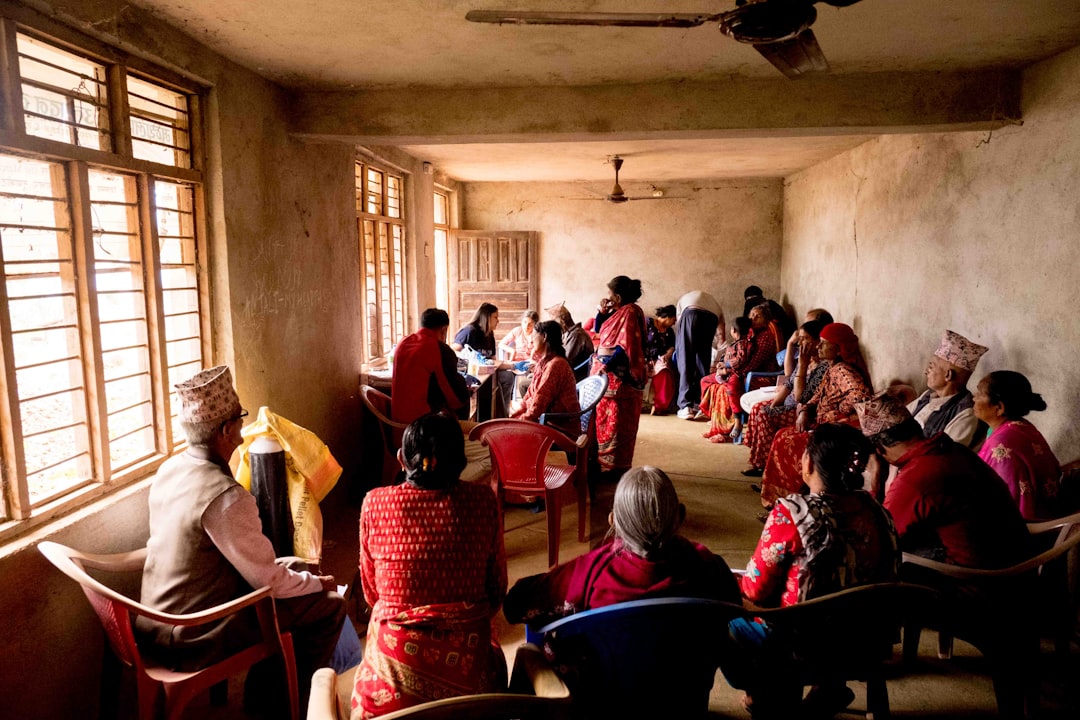
The Evolving Landscape of Children’s Sunday School Curriculum

Reimagining Sunday School: Beyond Traditional Curriculum

Sunday school classrooms are at a crossroads, faced with the decision to evolve or risk irrelevance. The issue is not merely about updating lesson plans but rethinking the entire approach to spiritual education. Most assume that teaching biblical stories is enough, yet in practice, this often leaves children disconnected from their faith. The challenge is to integrate developmental and family ministry principles, creating a curriculum that resonates deeply with young learners and nurtures their spiritual growth.

Understanding the Child’s Mind: The Role of Developmental Theory

It’s not just about what we teach but how we teach it. Developmental theory sheds light on the cognitive, emotional, and social stages that children experience, offering insights into how they learn best. This understanding is crucial for crafting lessons that engage children at their level. For instance, simple storytelling might capture a young child’s imagination, while older children benefit from discussions that challenge their thinking and encourage deeper exploration of faith. Adapting teaching methods to these developmental stages is not optional; it’s essential for fostering a lasting spiritual journey.

Family Ministry: Bridging the Gap Between Church and Home

Incorporating family ministry principles into Sunday school is not just beneficial—it’s transformative. It means inviting parents to play an active role in their child’s spiritual development. This could involve parents in classroom activities or provide them with tools to continue faith conversations at home. When the church and family work together, children receive consistent messages about their faith, strengthening both their spiritual foundation and family relationships. This collaboration is key to ensuring that the lessons learned on Sunday resonate throughout the week.

Navigating the Transition: Overcoming Challenges

Transitioning to a modern curriculum model is not without its hurdles. Educators may need to step outside their comfort zones, embracing new teaching techniques and materials. This shift requires training and resources, which can be daunting for some churches. However, the real obstacle is not the availability of resources but the willingness to prioritize this evolution. Churches must commit to evaluating their current curriculum and providing educators with the necessary tools and training to embrace these changes. Workshops, mentorship, and collaborative planning sessions can aid in this process.

The Cost of Complacency

The uncomfortable truth is that clinging to outdated methods risks alienating the very children we aim to nurture. A stagnant curriculum can lead to disengagement, weakening a child’s connection to their faith and reducing their involvement in church life. This is not merely about missing an opportunity; it’s about failing to fulfill our responsibility to guide children in their spiritual journeys. Churches that proactively adapt to these evolving educational models will not only remain relevant but will also cultivate a vibrant, engaged community of young believers.

Actionable Steps for Change

To embark on this transformative journey, church leaders should start by assessing their existing curriculum, identifying where developmental and family ministry principles can be integrated. This is the groundwork for meaningful change. Next, investing in educator training is crucial. This might involve hosting workshops or establishing mentorship programs where seasoned educators share their experiences and strategies. The goal is to empower teachers to deliver content in ways that resonate with today’s children.

This evolution in Sunday school is more than a trend—it’s a necessary shift towards a more impactful faith education. By embracing these principles, churches can foster a supportive environment where children are encouraged to grow spiritually. Talk to us today to learn how The Paidion Foundation can assist you in transitioning to these innovative curriculum models.

📸 Photo from Unsplash.

Integrating Church and Home: A Holistic Approach to Children’s Faith Development

Navigating the Disconnect: Church and Home in Children’s Faith

Many churches and families struggle with a disconnection between Sunday teachings and the rest of the week. This gap often leaves parents feeling isolated in nurturing their children’s faith and church leaders puzzled about how to extend their influence beyond church walls. The issue isn’t about having enough resources; it’s about the lack of a unified, consistent approach to faith integration.

Integration: The Missing Link

In our fast-paced world, families are inundated with activities and distractions. This often means spiritual development takes a backseat. But the real problem isn’t busyness—it’s the siloed approach to children’s faith development. Churches and homes must function as a cohesive unit, reinforcing each other’s efforts to ensure that children receive a consistent, nurturing environment for spiritual growth.

Empowering Parents as Spiritual Mentors

Parents are not just participants in their children’s spiritual journey; they are the primary guides. Churches must stop assuming parents know how to translate Sunday lessons into daily life. Instead, they should equip parents with practical tools such as take-home guides, discussion prompts, and daily devotional ideas, fortifying them to lead confidently.

Actionable Strategies for Seamless Integration

It’s not enough to suggest that church and home should work together; practical steps are necessary. Organize workshops that focus on real-world application of biblical principles. Encourage collaboration among parents, church leaders, and Sunday school teachers to ensure a unified message. Leverage technology by creating online communities where parents can share experiences and resources.

Case Study: Bridging the Gap Successfully

At a local congregation, the disconnect between church teachings and home life was palpable. By introducing weekly take-home packets and monthly parent workshops, the church witnessed a remarkable shift. Parents became more engaged, and spiritual discussions at home increased, demonstrating that a deliberate approach can yield tangible results.

Implementing Change

Start by assessing the current resources available for integration. Consider utilizing structured curriculum models like those from Think Orange to bridge church and home teachings. Work directly with parents to identify what support they need, and tailor resources to address those needs directly. Hosting interactive workshops can further enhance community bonds and ensure everyone is on the same page.

Moving Forward: Unite for Impact

By adopting a unified, holistic approach to children’s faith development, churches can transcend traditional boundaries, making the spiritual journey a shared endeavor. Don’t let the opportunity for impactful collaboration pass by. Talk to us about integrating these strategies to create a truly cohesive faith experience for children, both at church and at home.

📸 Photo from Unsplash.

Challenges and Opportunities in Volunteer Training for Children’s Ministry

Navigating the Volunteer Training Landscape

In the realm of children’s ministry, the true struggle isn’t just the lack of volunteers—it’s ensuring those who step up are genuinely prepared to make an impact. Many churches grapple with this, often feeling the pinch of limited resources. Yet, the real challenge isn’t resources; it’s the commitment to innovative and meaningful training that transforms volunteers into effective ministry leaders.

The Urgency of Equipping Volunteers Now

Volunteers are not just helpers; they are the lifeline of a vibrant children’s ministry. Without proper training, their potential remains untapped, and the ministry flounders. An investment in robust training today means fewer headaches tomorrow, as trained volunteers lead to higher engagement, better retention, and ultimately, a thriving ministry environment.

Innovative Training Approaches

It’s time to rethink how we prepare our volunteers. Gone are the days of generic, one-size-fits-all workshops. The future lies in dynamic, tailored training plans. Consider implementing interactive workshops that focus on real-life scenarios, mentorship pairings that foster growth, and continuous support systems that keep volunteers engaged and empowered.

The Power of Collaboration

Feeling resource-strapped? The solution isn’t to do more with less, but to do more together. By partnering with neighboring churches or community organizations, you can pool resources, share expertise, and create a richer training landscape. This collaborative spirit not only amplifies training opportunities but also nurtures a community of shared vision and purpose.

Inspiring Volunteer Engagement

The common mistake is viewing training as an obligation rather than an opportunity. Shift this perception by linking training to personal and spiritual growth. Show volunteers the tangible benefits—how training elevates their ministry impact and enriches their personal faith journey. When volunteers see training as a path to personal development, their motivation and commitment naturally increase.

A Successful Transformation: One Church’s Experience

Consider a mid-sized church that faced high volunteer turnover and waning program quality. By introducing targeted, regular training sessions and collaborating with a nearby church, they transformed their training approach. The result? A dramatic improvement in volunteer retention and program success, underscoring the power of structured training and collaboration.

Practical Steps to Elevate Training

Step one: create a detailed training roadmap. Begin by assessing your current resources and identifying gaps. Seek partnerships with other churches or leverage online resources such as Global Ministries Training Seminars to broaden your training toolkit.

Discover how Think Orange’s Elementary Curriculum can serve as a catalyst for elevating your volunteer training efforts.

Conclusion: Moving Forward with Purpose

Transforming your volunteer training program is not just possible; it’s essential for the future of your children’s ministry. Talk to us at The Paidion Foundation about how we can partner with you in crafting a training program that leads to lasting impact.

📸 Photo from Unsplash.

The Role of Digital Curriculum in Modern Children’s Ministry

The Urgency of Digital Transformation in Children’s Ministry

Church leaders today face a pressing challenge: how to engage the digital-native generation in a world where traditional teaching methods no longer suffice. With shrinking budgets and increased expectations for interactive learning, the real question is not whether to adopt digital curricula, but how quickly you can implement it. Digital curricula are reshaping children’s ministry by delivering dynamic, cost-effective, and spiritually enriching experiences tailored for today’s youth.

Reframing the Challenge

Most churches assume they lack the resources to upgrade their children’s ministry, but in practice, the obstacle is often a reluctance to prioritize modernization. The problem is not about having fewer resources; it’s about failing to leverage digital tools that amplify teaching effectiveness while reducing overhead. Digital curricula simplify lesson planning and allow teachers to focus on nurturing spiritual growth rather than administrative burdens.

Key Advantages of Digital Curricula

Adopting a digital curriculum means embracing flexibility and inclusion. Lessons can be customized to suit varying class sizes and age brackets, ensuring that every child receives relevant and meaningful instruction. Moreover, the scalability of digital resources means that churches of any size can maintain a consistent quality of teaching that aligns with their core values, without the burden of excessive costs.

The Hidden Costs of Staying Analog

Here’s the uncomfortable truth: sticking to outdated methods is often more costly in the long run. By not investing in digital solutions, churches risk falling behind, both financially and in their mission to engage the youth. Digital curricula offer the long-term savings and benefits that analog approaches simply can’t match, making them a wise investment for sustainable ministry growth.

Real-World Impact: Transformative Outcomes

Take, for example, a small congregation that integrated a digital curriculum to overcome resource limitations. Transitioning to digital not only slashed their material costs but also expanded their educational toolkit, resulting in more confident teachers and more engaged students. This shift illustrates the transformative potential of digital curricula in rejuvenating church programs.

Actionable Steps for Implementation

If you’re ready to transition, begin by conducting a thorough assessment of your current curriculum’s effectiveness and your budget constraints. Compare different digital curriculum providers to find offerings that align with your ministry’s unique needs. Factor in the initial investment against the long-term savings and enhancements in educational quality.

Consult resources like Ministry To Children to understand how others have successfully made the switch. Learn from the global community of churches utilizing digital curricula through the Sunday School Store.

Conclusion: Take the Next Step

The time to act is now. Reassess and innovate your curriculum strategy to stay relevant and impactful. Digital solutions offer a compelling pathway to elevate the quality of your children’s ministry. Talk to us to discover how we can support your journey towards digital transformation.

Training Sunday School Teachers: Challenges and Solutions

Unlocking the Potential of Sunday School Teaching

Every Sunday morning, the potential for profound spiritual growth is present within the walls of Sunday school classrooms. Yet, without a well-prepared teacher, this potential remains unrealized. The challenge is not merely about having a teacher present, but ensuring that teacher is equipped to inspire and truly connect with children. What stands in the way? Often, it’s not a lack of resources, but an absence of strategic training and vision.

Navigating the Training Maze

Training Sunday school teachers is frequently seen as a logistical nightmare. The issue isn’t just about time or resources; it’s about prioritizing what truly matters. Most teams assume that more resources will solve their training woes, but in practice, it’s about disciplined focus on what’s crucial. Scheduling conflicts, resource allocation, and teacher resistance are symptoms of a larger issue: a lack of commitment to making training a non-negotiable priority.

To break this cycle, churches need a structured, goal-oriented training approach. This means setting clear objectives and integrating interactive elements like role-playing and group discussions. Utilizing resources such as Reach Keep’s training templates can provide a roadmap for these efforts, ensuring that every training session is impactful and purposeful.

Engagement Through Innovation

The key to effective training lies in its ability to engage and challenge. Relying solely on traditional lecture methods is a recipe for stagnation. Instead, embrace a dynamic mix of interactive workshops, hands-on practice, and continuous feedback. This approach not only enhances retention but also empowers teachers to apply new skills confidently.

Churches that thrive in this area often employ peer-led workshops, where experienced teachers mentor newcomers. This model not only disseminates practical knowledge but also fosters a supportive community environment. When teachers feel supported and encouraged, their hesitations diminish, and their capacity to inspire grows.

Avoiding the Pitfall of Complacency

The uncomfortable truth is that many churches inadvertently allow their Sunday school programs to become stagnant. The issue is not a lack of potential, but a decision not to prioritize ongoing development. Without a commitment to robust, evolving training programs, teaching quality suffers, which can lead to dwindling attendance and enthusiasm.

Proactive engagement is essential. Churches must continually assess and refine their training strategies to ensure they remain relevant and effective. By doing so, they not only preserve the vitality of their programs but also enhance the spiritual journey of every child in their care.

Take Action Today

It’s time to transform your Sunday school teaching approach. The next step is to talk to us about developing a tailored training program that addresses your church’s specific needs. Equip your teachers to inspire with confidence and ensure a vibrant, engaging, and spiritually enriching experience for all.

📸 Photo from Unsplash.

Selecting the Right Curriculum for Small Churches

Facing the Real Challenge: Curriculum Selection for Small Churches

For small churches, the task of selecting a suitable Sunday school curriculum isn’t just a matter of budget; it’s a question of survival and growth. With limited resources, the pressure to provide meaningful, faith-building experiences for children is intensified. Yet, the solution isn’t simply about finding cheaper materials. The true challenge is discerning what truly nurtures young faith without compromising on quality.

Beyond the Price Tag: Prioritizing Impact Over Cost

It’s a common misconception that small churches must choose between affordability and quality. The real issue isn’t about the lack of funds—it’s about prioritizing impactful teaching. Most churches assume that expensive equals effective, but in practice, many cost-effective curriculums offer immense value. For instance, the Wonder Ink guide provides custom solutions that fit the dynamics of smaller congregations without draining resources.

To make an informed decision, church leaders should focus on alignment with their core mission and values. This means evaluating each curriculum’s ability to engage and inspire. Pilot testing new materials can offer critical feedback before a full rollout, ensuring the curriculum meets spiritual and educational needs.

Embracing Creativity: Innovative Curriculum Solutions

While traditional curriculums have their place, small churches can thrive by embracing creative approaches. Experiential learning options can be both affordable and effective. By integrating activities like nature walks and community service projects, curriculums become more than just lessons—they become life experiences that bring faith to life.

These innovative strategies not only engage children but also help them see the relevance of their faith in everyday actions. By weaving these activities into the curriculum, churches can enhance learning without incurring heavy costs, showcasing that creativity can bridge financial gaps.

Immediate Action Needed: Avoiding the Pitfall of Complacency

Stagnation is a silent threat. Ineffective curriculum choices can lead to financial strain and spiritual disengagement. The uncomfortable truth is that what feels like a budget limitation is often a reluctance to prioritize impactful education. Church leaders must be proactive, choosing curriculums that not only fit their budget but also inspire growth and connection.

To avoid complacency, churches need to regularly reassess their educational strategies, ensuring they remain aligned with their mission and effectively nurture young faith.

Next Steps: Partnering for Success

Ready to take decisive action? The next step is to talk to us about tailoring curriculum solutions to your congregation’s unique needs. By choosing strategic, innovative approaches, small churches can create vibrant environments for young believers, all while respecting financial boundaries.

References

📸 Photo from Unsplash.

Digital Sunday School Curriculum: Opportunities and Challenges

Rethinking Sunday School: The Digital Revolution

As Sunday school classrooms transition from traditional paper-based materials to digital platforms, church leaders are faced with a pivotal decision: adapt or risk becoming irrelevant. The integration of digital curriculums is not merely a trend but a necessary evolution in engaging a tech-savvy generation with their faith.

Beyond Tradition: The Power of Interactive Learning

Digital curriculums redefine how children learn about their faith, transforming passive listening into active participation. Interactive elements—such as videos, games, and quizzes—not only capture attention but also deepen understanding. These tools cater to varied learning styles and provide a platform for personalized instruction, a critical factor in fostering genuine engagement.

For example, the DIG IN curriculum leverages multimedia content to encourage exploration and discussion, making learning about faith both fun and memorable. This approach challenges the assumption that traditional methods are inherently superior, pushing us to reconsider what effective faith education can look like.

Overcoming Barriers to Digital Transition

While the benefits are clear, transitioning to digital curriculums is not without its hurdles. The primary obstacle is not just financial—it’s a mindset shift. Many church leaders are hesitant, seeing technology as a complex beast rather than a tool for empowerment. The reality is, the problem is not the technology; it’s the reluctance to embrace change.

To facilitate this transition, churches must invest in both infrastructure and training. Building a robust technological framework is essential, but equally important is equipping teachers with the skills to utilize these tools effectively. Training should be viewed not as a burden but as an investment in the future of faith education.

Strategic Investment: More Than Just Cost

Investment in digital resources goes beyond mere dollars and cents; it’s an investment in the church’s future. Not integrating digital tools risks alienating a generation that navigates the world through screens. Strategic planning involves evaluating current technological assets and filling the gaps with targeted procurement and training initiatives.

Resources like David C Cook’s Tru curriculum offer comprehensive digital aids tailored to different age groups, allowing churches to tailor their educational approach effectively. The uncomfortable truth is that maintaining the status quo may cost more in terms of future engagement than the initial investment in digital infrastructure.

Proactive Steps for Transformation

The time to act is now. Churches that aim to cultivate a dynamic and engaging learning environment must not wait for technology to become obsolete. Instead, they should reach out to experts who can guide them through this transformation. Talk to us about assessing your church’s readiness for digital curriculums and explore training opportunities designed to empower your teaching staff.

Embracing digital Sunday school curriculums is not merely about keeping up with technological trends; it’s about ensuring that the spiritual education of our children is as robust and engaging as it can be. By seizing this opportunity, churches can ensure that they don’t just teach—but inspire.

References

📸 Photo from Unsplash.

Building Faith Through Community and Family: A Unified Approach

Reimagining Church: Engaging Families and Communities for Genuine Faith Development

Churches face a recurring challenge: the disconnect between Sunday teachings and daily life. Parents and community leaders frequently express frustration over the struggle to nurture children’s faith outside of church walls. The reality? The problem isn’t a lack of resources—it’s a lack of integrated, intentional engagement. Most efforts stop at the church door, missing the opportunity to weave faith into the fabric of everyday life.

Family: The Bedrock of Faith

While churches serve as spiritual hubs, families are the real architects of faith. When parents prioritize their involvement in their children’s faith journey, they create a living example that faith is interwoven with daily life. However, many families lack the tools and guidance to sustain this outside of church. The challenge lies in transforming religious teachings into practical, daily practices that resonate at home.

Breaking the Mold: Moving Beyond Traditional Engagement

Too often, churches offer programs that parents and children attend separately, reinforcing the idea that faith is an individual journey. Instead, the most effective faith development occurs when families experience it together. Churches must shift focus, facilitating family-inclusive experiences that blend learning with living. This means regularly organizing activities where faith is explored together, not in isolation.

Integrating Faith into Daily Life

  • Create Holistic Experiences: Design events that integrate faith with everyday activities. For instance, a family cooking day can incorporate lessons on gratitude and stewardship, making faith both fun and practical.
  • Equip Parents with Tools: Provide resources that parents can easily use at home, such as discussion guides or simple family devotionals. These resources should make faith discussions as natural as daily conversations.
  • Establish a Support Network: Encourage open lines of communication between church leaders and families. Regular check-ins can help tailor resources to meet the unique needs of each family.

The Uncomfortable Truth: Faith Requires More Than Sunday

Here’s a hard truth: treating faith as a once-a-week commitment is a disservice to the next generation. The real impact happens when faith becomes intrinsic to every aspect of life. Churches must challenge themselves and their communities to integrate faith into daily routines, not as an added task but as a transformative lens through which life is viewed.

At The Paidion Foundation, we believe in actionable change. To genuinely engage your community and family in faith development, talk to us. Let’s transform the way we nurture faith, one family at a time.

References

📸 Photo from Unsplash.