Archives 2026

Selecting the Right Curriculum for Small Churches

Facing the Real Challenge: Curriculum Selection for Small Churches

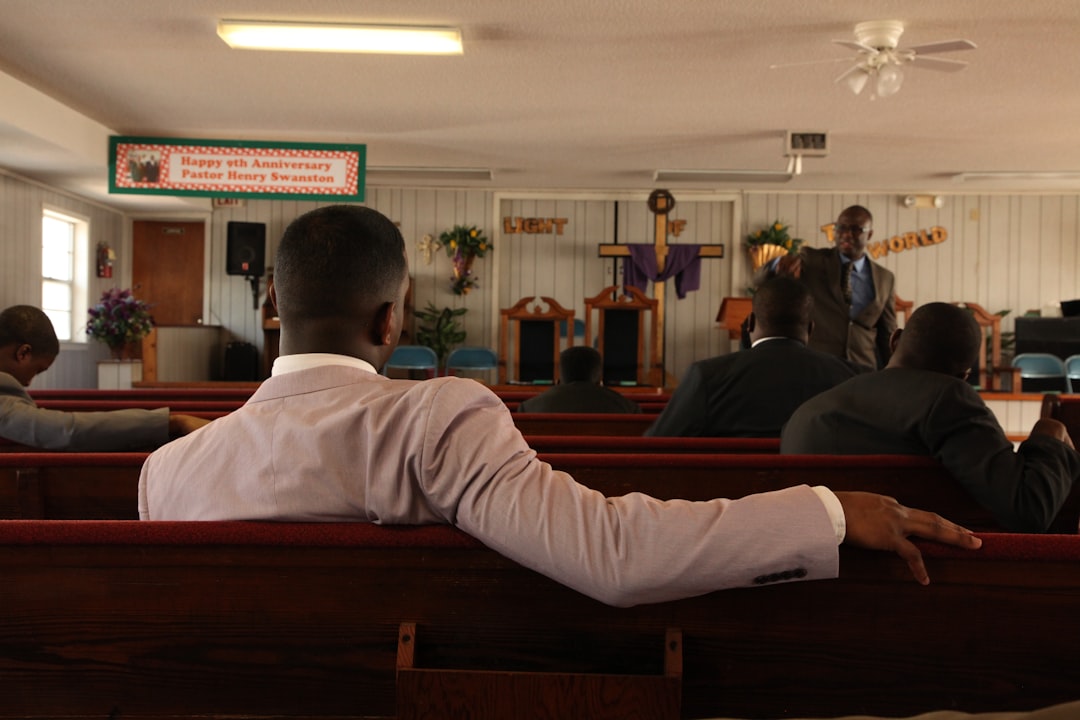
For small churches, the task of selecting a suitable Sunday school curriculum isn’t just a matter of budget; it’s a question of survival and growth. With limited resources, the pressure to provide meaningful, faith-building experiences for children is intensified. Yet, the solution isn’t simply about finding cheaper materials. The true challenge is discerning what truly nurtures young faith without compromising on quality.

Beyond the Price Tag: Prioritizing Impact Over Cost

It’s a common misconception that small churches must choose between affordability and quality. The real issue isn’t about the lack of funds—it’s about prioritizing impactful teaching. Most churches assume that expensive equals effective, but in practice, many cost-effective curriculums offer immense value. For instance, the Wonder Ink guide provides custom solutions that fit the dynamics of smaller congregations without draining resources.

To make an informed decision, church leaders should focus on alignment with their core mission and values. This means evaluating each curriculum’s ability to engage and inspire. Pilot testing new materials can offer critical feedback before a full rollout, ensuring the curriculum meets spiritual and educational needs.

Embracing Creativity: Innovative Curriculum Solutions

While traditional curriculums have their place, small churches can thrive by embracing creative approaches. Experiential learning options can be both affordable and effective. By integrating activities like nature walks and community service projects, curriculums become more than just lessons—they become life experiences that bring faith to life.

These innovative strategies not only engage children but also help them see the relevance of their faith in everyday actions. By weaving these activities into the curriculum, churches can enhance learning without incurring heavy costs, showcasing that creativity can bridge financial gaps.

Immediate Action Needed: Avoiding the Pitfall of Complacency

Stagnation is a silent threat. Ineffective curriculum choices can lead to financial strain and spiritual disengagement. The uncomfortable truth is that what feels like a budget limitation is often a reluctance to prioritize impactful education. Church leaders must be proactive, choosing curriculums that not only fit their budget but also inspire growth and connection.

To avoid complacency, churches need to regularly reassess their educational strategies, ensuring they remain aligned with their mission and effectively nurture young faith.

Next Steps: Partnering for Success

Ready to take decisive action? The next step is to talk to us about tailoring curriculum solutions to your congregation’s unique needs. By choosing strategic, innovative approaches, small churches can create vibrant environments for young believers, all while respecting financial boundaries.

References

📸 Photo from Unsplash.

Digital Sunday School Curriculum: Opportunities and Challenges

Rethinking Sunday School: The Digital Revolution

As Sunday school classrooms transition from traditional paper-based materials to digital platforms, church leaders are faced with a pivotal decision: adapt or risk becoming irrelevant. The integration of digital curriculums is not merely a trend but a necessary evolution in engaging a tech-savvy generation with their faith.

Beyond Tradition: The Power of Interactive Learning

Digital curriculums redefine how children learn about their faith, transforming passive listening into active participation. Interactive elements—such as videos, games, and quizzes—not only capture attention but also deepen understanding. These tools cater to varied learning styles and provide a platform for personalized instruction, a critical factor in fostering genuine engagement.

For example, the DIG IN curriculum leverages multimedia content to encourage exploration and discussion, making learning about faith both fun and memorable. This approach challenges the assumption that traditional methods are inherently superior, pushing us to reconsider what effective faith education can look like.

Overcoming Barriers to Digital Transition

While the benefits are clear, transitioning to digital curriculums is not without its hurdles. The primary obstacle is not just financial—it’s a mindset shift. Many church leaders are hesitant, seeing technology as a complex beast rather than a tool for empowerment. The reality is, the problem is not the technology; it’s the reluctance to embrace change.

To facilitate this transition, churches must invest in both infrastructure and training. Building a robust technological framework is essential, but equally important is equipping teachers with the skills to utilize these tools effectively. Training should be viewed not as a burden but as an investment in the future of faith education.

Strategic Investment: More Than Just Cost

Investment in digital resources goes beyond mere dollars and cents; it’s an investment in the church’s future. Not integrating digital tools risks alienating a generation that navigates the world through screens. Strategic planning involves evaluating current technological assets and filling the gaps with targeted procurement and training initiatives.

Resources like David C Cook’s Tru curriculum offer comprehensive digital aids tailored to different age groups, allowing churches to tailor their educational approach effectively. The uncomfortable truth is that maintaining the status quo may cost more in terms of future engagement than the initial investment in digital infrastructure.

Proactive Steps for Transformation

The time to act is now. Churches that aim to cultivate a dynamic and engaging learning environment must not wait for technology to become obsolete. Instead, they should reach out to experts who can guide them through this transformation. Talk to us about assessing your church’s readiness for digital curriculums and explore training opportunities designed to empower your teaching staff.

Embracing digital Sunday school curriculums is not merely about keeping up with technological trends; it’s about ensuring that the spiritual education of our children is as robust and engaging as it can be. By seizing this opportunity, churches can ensure that they don’t just teach—but inspire.

References

📸 Photo from Unsplash.

Building Faith Through Community and Family: A Unified Approach

Reimagining Church: Engaging Families and Communities for Genuine Faith Development

Churches face a recurring challenge: the disconnect between Sunday teachings and daily life. Parents and community leaders frequently express frustration over the struggle to nurture children’s faith outside of church walls. The reality? The problem isn’t a lack of resources—it’s a lack of integrated, intentional engagement. Most efforts stop at the church door, missing the opportunity to weave faith into the fabric of everyday life.

Family: The Bedrock of Faith

While churches serve as spiritual hubs, families are the real architects of faith. When parents prioritize their involvement in their children’s faith journey, they create a living example that faith is interwoven with daily life. However, many families lack the tools and guidance to sustain this outside of church. The challenge lies in transforming religious teachings into practical, daily practices that resonate at home.

Breaking the Mold: Moving Beyond Traditional Engagement

Too often, churches offer programs that parents and children attend separately, reinforcing the idea that faith is an individual journey. Instead, the most effective faith development occurs when families experience it together. Churches must shift focus, facilitating family-inclusive experiences that blend learning with living. This means regularly organizing activities where faith is explored together, not in isolation.

Integrating Faith into Daily Life

  • Create Holistic Experiences: Design events that integrate faith with everyday activities. For instance, a family cooking day can incorporate lessons on gratitude and stewardship, making faith both fun and practical.
  • Equip Parents with Tools: Provide resources that parents can easily use at home, such as discussion guides or simple family devotionals. These resources should make faith discussions as natural as daily conversations.
  • Establish a Support Network: Encourage open lines of communication between church leaders and families. Regular check-ins can help tailor resources to meet the unique needs of each family.

The Uncomfortable Truth: Faith Requires More Than Sunday

Here’s a hard truth: treating faith as a once-a-week commitment is a disservice to the next generation. The real impact happens when faith becomes intrinsic to every aspect of life. Churches must challenge themselves and their communities to integrate faith into daily routines, not as an added task but as a transformative lens through which life is viewed.

At The Paidion Foundation, we believe in actionable change. To genuinely engage your community and family in faith development, talk to us. Let’s transform the way we nurture faith, one family at a time.

References

📸 Photo from Unsplash.

Integrating Technology into Children’s Ministry: Embracing the Digital Age

Breaking the Status Quo: Rethinking Children’s Ministry with Technology

In many churches, the conversation around children’s ministry often skirts around the adoption of technology, caught in a tug-of-war between tradition and modernity. Yet, churches that hesitate to integrate digital tools into their ministries may find themselves increasingly out of touch with the children they aim to inspire. The issue isn’t the technology itself; it’s the reluctance to evolve with it.

Beyond Gadgets: Why Technology Matters

The core benefit of technology in children’s ministry lies not in the gadgets, but in how these tools can make scripture come alive in new and engaging ways. This isn’t about replacing the Bible with a tablet; it’s about using dynamic resources to illuminate biblical lessons. Digital learning platforms, interactive storytelling, and gamified scripture lessons can cater to diverse learning styles, keeping children engaged and actively participating in their faith journey.

Navigating Initial Resistance

Resistance to change is natural, especially when it involves something as cherished as spiritual education. Concerns about technology overshadowing face-to-face interaction are valid. However, the reality is that technology, when applied thoughtfully, can actually enhance personal connections. The problem is not the presence of digital tools, but the fear of change. Training and open dialogue can mitigate these concerns, encouraging a harmonious blend of digital and personal interaction.

The Consequences of Complacency

Complacency in the face of technological advancement is a risk no ministry can afford. Children, as digital natives, carry expectations shaped by their everyday digital experiences. Churches failing to meet these expectations may find themselves losing relevance, as young members seek environments that resonate more with their experiences. It’s not a question of if churches should adapt, but how quickly they can do so to prevent dwindling engagement.

Implementing Technology: A Strategic Approach

  • Evaluate and Select Tools: Begin by assessing your ministry’s specific needs. Not every digital tool will suit every setting, so prioritize those that align with your objectives and values.
  • Commit to Continuous Learning: Equip your staff and volunteers with regular training sessions. Mastery of technology doesn’t happen overnight; it requires continuous learning and adaptation.
  • Create a Balanced Environment: Technology should serve as a bridge, not a barrier. Use it to complement and enhance personal interactions, ensuring that human connection remains at the heart of your ministry.

To those ready to embark on this journey, the support and resources available through The Paidion Foundation can be invaluable. Talk to us to discover how to effectively integrate technology and revitalize your ministry with purpose and passion.

Resources for Further Exploration

📸 Photo from Unsplash.

Customizing Sunday School Curriculum for Small Churches: A Community Approach

Breaking Away from One-Size-Fits-All: A New Approach to Sunday School

Many small churches face the frustration of seeing their Sunday school programs dwindle in relevance and attendance. The challenge often lies not in the lack of enthusiasm but in the reliance on generic curriculums that fail to resonate with the unique cultural and spiritual fabric of their communities. The real issue isn’t the availability of resources; it’s the reluctance to adapt and customize. This is where a community-driven, custom curriculum becomes the game-changer.

Why Custom Curriculums Matter

Customizing your curriculum isn’t just about cutting costs; it’s about deepening the impact of biblical teachings by weaving them into the daily lives and cultural contexts of your young congregants. Small churches that embrace this approach often find their lessons transform from abstract stories to meaningful, life-applicable teachings. It’s the difference between a generic message and one that truly speaks to the hearts of your community.

Overcoming the Myths and Misconceptions

One of the biggest hurdles is the misconception that crafting a custom curriculum requires extensive resources and expertise. The truth is, most churches already possess the most valuable resource: their community. By leveraging local talents, stories, and traditions, churches can create powerful educational experiences without the need for extensive budgets or specialized knowledge.

The Cost of Standing Still

Failing to customize your Sunday school curriculum can lead to a gradual erosion of engagement. When children can’t see the relevance of what they’re learning, their interest wanes, and with it, the involvement of their families. The issue is not just about maintaining attendance but nurturing a vibrant, spiritually connected community.

Actionable Steps to Develop a Custom Curriculum

  • Assess and Adapt: Review your current materials critically. Identify which elements fail to engage or connect with your congregation and consider how they might be adapted or replaced with more relevant content.
  • Collaborate and Create: Bring together a diverse group of stakeholders, including church members, parents, and local educators. Discuss the core values and cultural themes that should shape your curriculum.
  • Integrate Local Culture: Incorporate local stories, traditions, and even local heroes into your lessons. This not only makes teachings more relatable but also strengthens community identity and pride.

By taking these steps, small churches can transform their Sunday school into a dynamic and engaging environment that truly reflects the richness of their community’s culture and beliefs. For personalized guidance and support in crafting your custom curriculum, talk to us at The Paidion Foundation. We’re here to help you revitalize your church’s educational mission.

Further Reading

📸 Photo from Unsplash.

Building Community Through Effective Bible Clubs

Confronting the Challenge: Sustaining Young Faith

Churches are finding that traditional Sunday school lessons must transcend into dynamic, engaging experiences to truly connect with children. Bible clubs offer a transformative solution, but this avenue is often underutilized due to poor planning and lack of sustained engagement. The reality is that without a thoughtful approach, these clubs become just another activity, failing to leave a lasting impact on young minds.

Beyond the Basics: What Truly Builds Community

Establishing a sense of community in Bible clubs isn’t merely about gathering children weekly; it’s about crafting an atmosphere where faith and friendships flourish. Too often, churches assume that simply hosting a club is enough, but in reality, it’s the intentional creation of interactive spaces, led by dedicated mentors, that fosters genuine community and growth.

Rethinking Leadership and Volunteer Commitment

The problem is not a lack of volunteer enthusiasm—it’s an absence of sustainable commitment. Leadership in Bible clubs must move beyond mere presence to active involvement and inspiration. This requires training volunteers to not only teach but also mentor and engage with participants on a deeper level, ensuring that children eagerly anticipate each session.

Strategies for Unwavering Engagement

Most churches underestimate the power of a well-structured plan. Successful Bible clubs thrive on clear objectives, varied activities, and regular feedback. Implementing a schedule that includes storytelling, interactive games, and community service projects can sustain interest and enthusiasm. Resources such as Ministry To Children offer innovative ideas to keep programming fresh and exciting.

The Uncomfortable Truth: Prioritization Over Resources

It’s easy to blame dwindling resources for lackluster Bible clubs, but often it’s a question of misplaced priorities. Effective clubs don’t require extravagant budgets; they require prioritized commitment and creativity. By focusing on what truly matters—impactful experiences and consistent spiritual guidance—churches can overcome perceived limitations.

Transforming Vision into Action

Developing a Bible club that resonates with children means aligning activities with the broader mission of the church. This alignment ensures that every activity reinforces the church’s teachings in a memorable way. Begin this transformation by assessing your church’s values and integrating them into the club’s curriculum. For targeted advice and support, talk to us to elevate your Bible club initiative from good to great.

Addressing the Training Gap for Sunday School Teachers

The Real Challenge in Sunday School Education

Every Sunday, passionate volunteers step into classrooms ready to teach, yet many find themselves unprepared for the task at hand. This disconnect isn’t about enthusiasm; it’s about preparation. When volunteers lack the necessary training, the result is inconsistent lesson delivery and diminished engagement from children. The problem is not a lack of willingness; it’s the absence of a structured training framework that bridges the gap between enthusiasm and effective teaching.

Training: The Keystone of Effective Teaching

Most churches assume that a brief orientation is sufficient, but in practice, this is rarely true. Volunteers need more than just an introduction; they require ongoing, targeted training to truly thrive. Training is not just a checkbox; it’s the cornerstone of creating a nurturing, impactful environment. Without it, volunteers miss key opportunities to engage and inspire, leading to a decline in both the quality of education and the enthusiasm of participants.

Transformative Training Through Practical Engagement

Churches often overlook the transformative power of hands-on training. The issue is not a lack of resources — it’s inconsistent execution. Structured, practical training programs that include interactive workshops and resource sharing are pivotal. This approach equips volunteers with real-world tools and techniques, enabling them to deliver lessons that captivate and educate.

Building an Effective Training Framework

Developing a comprehensive training program is not optional; it’s essential. Start by assessing the current training gaps and identifying specific needs. Utilize resources like the Top 12 Resources for Sunday School Teacher Training to build a robust curriculum. Consider partnerships with organizations that specialize in volunteer teacher training to enhance your program’s effectiveness.

Moving Forward with Purpose

Closing the training gap requires intentional action and investment. Start by evaluating your current support systems and pinpointing areas for improvement. Remember, what feels like a limitation is often a decision not to prioritize. If you’re ready to elevate your training programs, talk to us at The Paidion Foundation. Together, we can transform your ministry into a beacon of effective teaching and meaningful engagement.

References

📸 Photo from Unsplash.

Innovative Approaches to Sunday School Curriculum Development

Confronting the Challenges in Sunday School

Picture this: it’s Sunday morning, and the Sunday school classroom is filled with restless energy. Traditional methods that once captured imaginations now barely hold the attention of children who are digital natives. The heart of the issue isn’t an aversion to biblical teachings but rather a disconnect between age-old methods and the digital-first mindset of today’s youth. Relying solely on tradition in a world dominated by technology is not just outdated; it’s a recipe for disengagement.

Why Sticking to the Old Ways Fails

Most church leaders assume that maintaining traditional teaching methods will preserve the sanctity of biblical teachings. However, the real problem isn’t preserving tradition; it’s failing to adapt it. While tradition lays the foundation, innovation is the key to building an engaging learning environment. The fact is, ignoring technological advances risks alienating the very audience we aim to inspire. What feels like a steadfast commitment to tradition is often a reluctance to evolve.

Integrating Technology with Purpose

The misconception that technology alone holds the answer is prevalent. In reality, tools are only as effective as the strategies behind them. The aim should be creating a dynamic curriculum that blends digital tools with story-driven teaching. For instance, using interactive applications to explore biblical stories like Jonah and the Whale can ignite a passion for learning that extends beyond the classroom. It’s not about replacing traditional methods but enhancing them.

Tangible Steps to Innovate Your Curriculum

If you’re serious about revitalizing your Sunday school, start with a thorough review of your current curriculum. Utilize resources like the GO! Curriculum to identify strengths and areas for improvement. Invest in digital tools that complement your educational goals and seek out training opportunities to empower your teaching staff. The payoff is clear: not only do children become more engaged, but parents will also witness a newfound enthusiasm in their children towards Sunday school.

The Path Forward

True progress comes from a willingness to adapt and innovate. Begin by evaluating your existing materials and consider partnerships with organizations that specialize in modern educational solutions. Striking a balance between the steadfastness of tradition and the opportunities presented by modern technology is crucial for captivating the digital generation. Ready to make a change? Talk to us and explore how we can support your journey toward a more vibrant and engaging Sunday school experience.

References

📸 Photo from Unsplash.

Crafting Engaging Sunday School Lessons for All Ages

The Real Sunday School Challenge

Every Sunday, teachers face the daunting task of connecting biblical truths with the hearts and minds of children living in an entertainment-saturated world. It’s not just about presenting information; it’s about engaging with children whose attention spans are tested by the digital age. The real issue is not a lack of resources, but a need for creativity and adaptability in lesson planning.

Transforming Lessons Beyond Tradition

Most educators assume traditional teaching methods will suffice, but in practice, these often fall flat. The key is transforming lessons beyond mere tradition into memorable experiences. Start by embracing interactive methods that bring lessons to life. Role-playing, group discussions, and multimedia elements don’t just keep kids interested—they spark imagination and deepen understanding.

Tailoring Lessons for Impact

Adapting lessons to different age groups is crucial. Younger children thrive on visuals and hands-on activities, while older kids need more depth and critical engagement. Instead of a one-size-fits-all approach, tailor lessons to match developmental stages. This means regularly iterating and refining your approach based on direct feedback from students and insights from parents.

Stagnation: The Silent Saboteur

Stagnant lessons are seldom recognized as the threat they truly are. When lessons fail to evolve, they become dull, leading to disengagement. In an age where content is dynamic and captivating, a static lesson plan is counterproductive. The issue isn’t just keeping pace with external content, but consistently innovating to make lessons meaningful.

A New Paradigm in Lesson Planning

Innovation is not optional; it is imperative. Create a rich and dynamic learning environment by integrating diverse methods and continuously refreshing lesson plans. Use storytelling to make biblical narratives relatable, and encourage critical thinking through open-ended questions that invite reflection and discussion. Remember, authentic engagement is not an accessory to education—it is its essence.

Take Action Today

Commit now to revamping your Sunday school approach. Start by auditing your current lessons. Identify areas that need reinvention and brainstorm with your teaching team. For further guidance and support, talk to us at The Paidion Foundation. Together, we can craft a Sunday school experience that resonates deeply and leaves a lasting impact.

References

📸 Photo from Unsplash.

Empowering Sunday School Educators Through Effective Training Programs

Transforming Sunday School Education: The Training Imperative

In the dynamic environment of faith-based education, one thing is evident: the quality of Sunday school teaching hinges on effective training. Yet, many churches find themselves in a cycle of outdated methods and underprepared educators. The challenge isn’t just about filling gaps; it’s about reimagining how training can become a cornerstone of impactful teaching.

Redefining Training: Insights from the Frontline

Instead of relying on generic workshops, successful churches are embracing immersive training that addresses specific classroom challenges. Take, for example, a community that shifted from lecture-style sessions to interactive workshops on classroom management and creative lesson planning. Participants didn’t just learn techniques; they practiced them, leading to a tangible boost in their confidence and effectiveness.

One teacher reported a paradigm shift after attending a session on engaging teaching methods. The result? Her students not only participated more but also retained and enjoyed learning more about their faith.

Why Quality Training Transcends Techniques

The problem isn’t merely the absence of training; it’s the lack of purposeful, adaptable training that considers the evolving needs of modern students. Well-crafted programs don’t just teach; they transform educators into facilitators of faith exploration, enhancing students’ spiritual journeys.

This transformation is crucial as the landscape of religious education evolves. Today’s parents and church leaders are increasingly aware that meaningful engagement in faith starts with educators who are equipped to inspire and adapt.

Confronting the Resource Myth

Many churches cite budget restrictions as the primary barrier to effective training. However, the real issue often lies in prioritization. Investing in educator training isn’t an expense; it’s a commitment to quality education. Churches must shift their perspective and seek partnerships with denominations or organizations that provide structured training frameworks.

These collaborations can alleviate financial pressures and bring in expertise that individual congregations may lack. Moreover, regular training refreshers keep educators inspired and informed, directly impacting the quality of teaching.

Charting a New Course for Your Church

Church leaders need to take decisive steps toward integrating comprehensive training programs into their educational blueprint. By doing so, they are not just enhancing teaching skills but are also investing in the spiritual growth of their congregation’s future leaders.

Are you ready to elevate your Sunday school education? Talk to us at The Paidion Foundation. We are committed to guiding you in crafting impactful training programs that resonate with your educators and students alike.

Further Reading

📸 Photo from Unsplash.