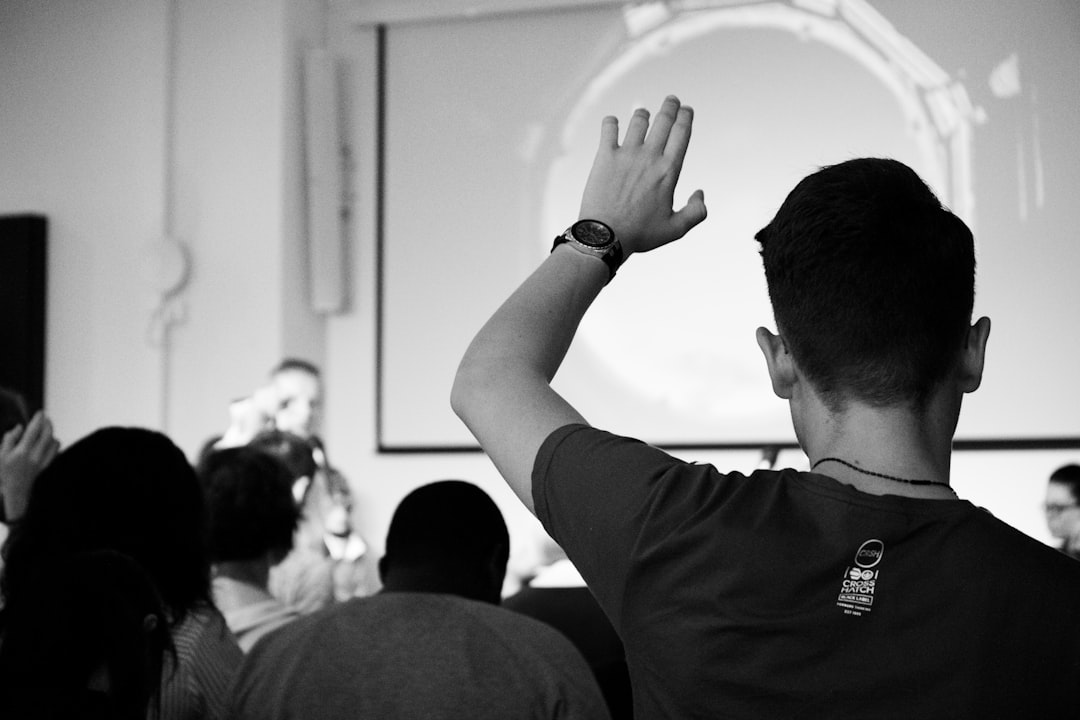
Revitalizing Sunday School: The Power of Experiential Learning
Revamping Sunday School: Overcoming Passive Learning
The typical Sunday school setup often mirrors traditional classroom settings: rows of quiet, attentive children, listening passively as a teacher delivers the lesson of the day. But here’s the contradiction: while religious education aims to instill vibrant, living faith, our methods often remain stagnant. The reality is, passive listening doesn’t inspire or engage, and that’s a problem.
The Shift: Experiential Learning as a Catalyst
Let’s be clear: the challenge isn’t the content—it’s the delivery. Experiential learning, grounded in active participation and interaction, can breathe new life into Sunday school by turning students from passive listeners into active participants. This method fosters deeper connections with biblical teachings through tangible experiences, moving beyond rote memorization to meaningful engagement.
Transforming Lesson Plans: Practical Steps
To truly revolutionize your Sunday school, begin by reimagining your lesson plans. Integrate methods that encourage participation: role-playing, storytelling, and interactive group discussions are just starting points. For instance, instead of reciting the tale of David and Goliath, facilitate a dynamic reenactment. Let students embody the characters, discuss their motives, and explore the story’s themes actively.
This shift not only enlivens the classroom but also boosts memory retention and understanding, turning abstract concepts into lived experiences.
Success in Practice: A Case Study
Consider a church in suburban Texas where the implementation of experiential learning reshaped their Sunday school. Teachers introduced tactile activities like arts and crafts, where children created their own representations of biblical stories. This hands-on approach dramatically increased student engagement and anticipation, illustrating how dynamic learning environments can invigorate religious education.
The takeaway? Experiential learning doesn’t just teach—it transforms. It cultivates enthusiasm and curiosity, driving children to explore their faith with passion.
The Broader Impact: Spiritual Growth Through Experience
Don’t mistake experiential learning as merely a way to make lessons more enjoyable. Its significance runs deeper. By engaging children in interactive exploration of biblical concepts, this approach allows them to forge personal connections with their faith. This is not optional—it’s essential for fostering lasting spiritual development.
Children naturally learn through exploration. Aligning religious education with this instinctual learning process not only strengthens their faith foundation but also encourages a deeper, more personal understanding of spiritual teachings.
The Path Forward: Embrace the Change
The call to integrate experiential learning into Sunday school is not just a trend—it’s a necessity for meaningful religious education. As you consider this exciting approach, recognize that embracing this change requires commitment and courage. It can be uncomfortable to shift away from tradition, but the rewards are profound: a generation engaged and energized by their faith.
Are you ready to transform your Sunday school experience? Talk to us for guidance and support in taking this decisive step towards a richer, more interactive future for children’s spiritual education.
Resources for Further Exploration
📸 Photo from Unsplash.
Leave a Reply