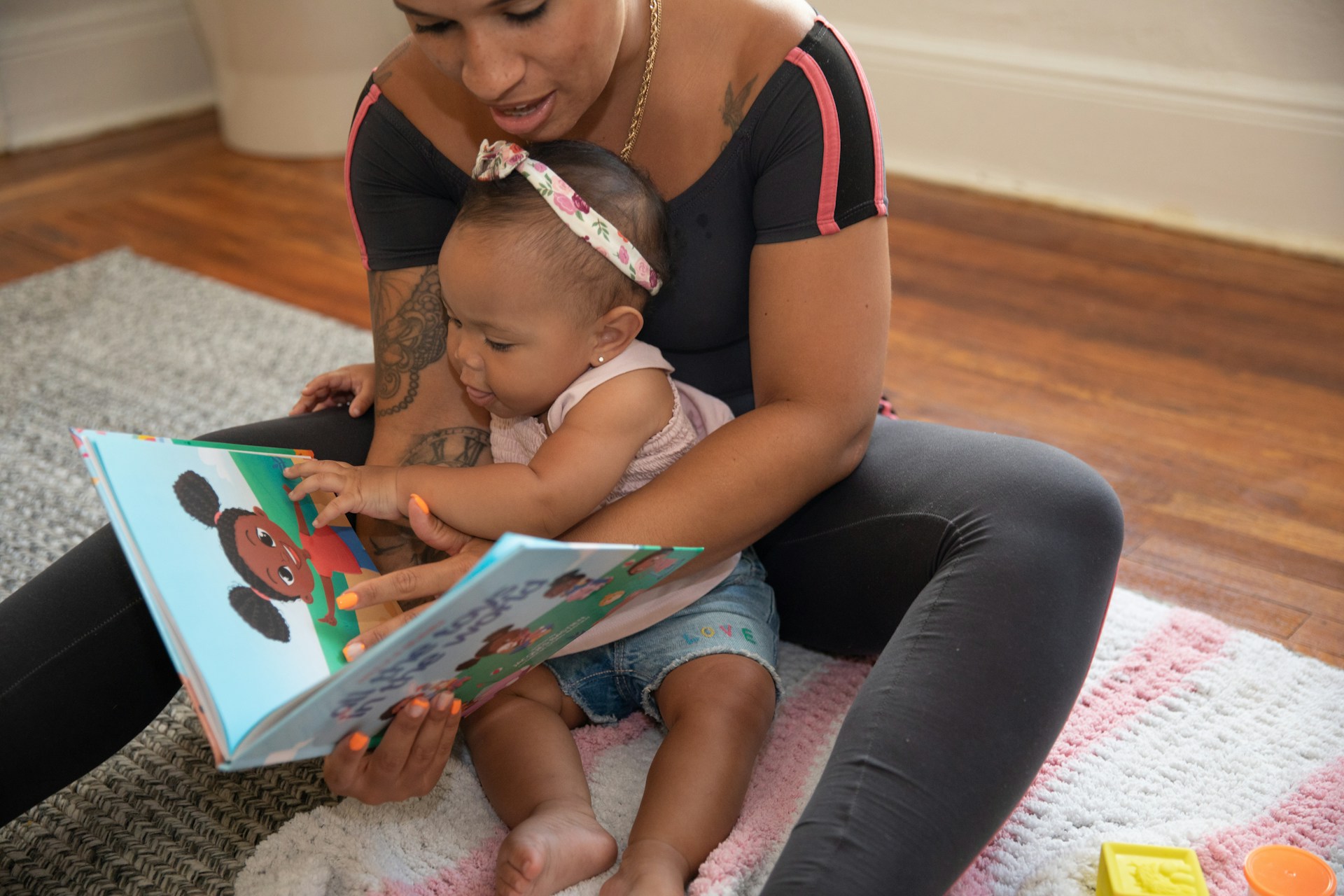
The future of the church lies in its youngest members. Christian children ministry plays a vital role in nurturing young believers, instilling Christian values, and fostering a deep love for God. By investing in quality Christian children content and effective Sunday school training, churches can lay a strong foundation for their future leaders. Consider a pastor who prioritized children’s ministry and witnessed a thriving community of young believers actively participating in church activities. This resulted in a vibrant church community with engaged youth who grew up to take on leadership roles. By recognizing the importance of Christian children ministry, churches can ensure their legacy continues for generations.
Effective planning and preparation are crucial for successful Sunday school sessions. Begin by setting clear objectives for each class and aligning them with your syllabus. Gather all necessary materials and prepare interactive activities that will captivate the children’s attention. For instance, using visual aids or storytelling can make biblical stories come alive. One church leader shared how planning in advance allowed for more creative and engaging sessions, leading to enthusiastic participation from the children. By investing time in preparation, teachers can create a dynamic and inspiring learning environment that nurtures children’s spiritual growth.
A well-organized syllabus is the backbone of effective Sunday school teaching. It provides a clear roadmap for educators, ensuring that each lesson builds upon the last, creating a cohesive learning journey for children. By having a structured plan, Sunday school teachers can ensure they cover all necessary biblical teachings in a logical sequence. Furthermore, a syllabus helps in preparing materials and activities that are age-appropriate and engaging. Consider the case of a church that introduced a new syllabus and saw a significant increase in attendance and participation. The children were more engaged, and parents reported a noticeable improvement in their children’s understanding of biblical stories. This underscores the importance of teaching with a syllabus in Christian children content.
Holiday camps are a fantastic way to immerse children in their faith while providing a break from routine. Organizing such an event can seem daunting, but with the right approach, it can be a rewarding experience. Start by setting clear goals for the camp, such as spiritual growth or community building. Engage a team of enthusiastic volunteers and plan activities that are both fun and educational. Reflecting on a successful camp organized by a local church, the key was in the details—thoughtful planning, engaging content, and a supportive team. By focusing on these elements, you can create a holiday camp that leaves a lasting impact on the children and the community.
Creating an engaging Sunday school experience often requires creativity and the right teaching tools. From interactive Bible apps to hands-on crafts, the possibilities are endless. Jane, a seasoned Sunday school teacher, swears by her collection of teaching aids that make every lesson memorable. Incorporating multimedia presentations and interactive storytelling can captivate young minds, making biblical teachings more relatable. By continually updating and diversifying your teaching tools, you ensure that your Sunday school remains a place of excitement and learning, where Christian children content comes alive.
Investing in Christian children ministry is investing in the future of the church. By nurturing young believers, we are laying the foundation for future leaders and disciples. Consider the impact of a well-run holiday camp, where children not only learn about their faith but also experience it through fellowship and fun. These experiences are invaluable, shaping their spiritual journeys in profound ways. As pastors, parents, and church leaders, our role is to provide the tools and opportunities for these young believers to grow. From Sunday school training to Bible clubs, every effort contributes to a vibrant and enduring faith community.
Preparation is key when it comes to Sunday school teaching. It’s not just about having a lesson plan but about being ready to adapt and engage with your students. Take, for example, Sarah, a Sunday school teacher who spends time each week preparing interactive lessons. Her preparation allows her to be flexible and responsive to her students’ needs, turning each lesson into an opportunity for growth and discovery. By dedicating time to plan and prepare, you can create an environment where Christian children thrive. Utilize teaching tools and resources that bring the Bible to life, making each lesson an adventure in faith.
In the vibrant world of Sunday school, having a well-structured syllabus can be the difference between chaos and clarity. As church leaders and educators, our goal is to impart Christian values and teachings effectively. A syllabus not only provides a roadmap for this journey but also ensures that every lesson builds on the last, creating a cohesive learning experience. Consider the story of Pastor John, who transformed his Sunday school program by introducing a syllabus. His classes became more engaging, and attendance increased as children and parents alike appreciated the clear direction and purpose. By investing in a structured syllabus, you not only enhance the educational experience but also foster a love for learning in Christian children.
Did you know that children who are raised by authentic parents, the ones who preach water and drink water, not those who preach water while drinking wine, tend to navigate life with remarkable resilience? This isn’t just a saying; it’s a truth backed by psychology and, more importantly, by biblical principle.
Many of us grew up with a different model. We were taught that parents must be pillars of unshakable strength, never showing cracks, never admitting fault. The goal was to be respected, but the unintended consequence was often a relationship built on performance, not authenticity. I’ll never forget the moment I realized my parents were human. It was jarring. For a time, it shook my foundation and altered my ability to trust them fully because the image I had of them was shattered. I wasn’t let into the real story.
The truth is, our children learn far more from what we do and who we are than from what we say. They are master observers of our character. This is why at the Paidion Foundation, we want to encourage you to embrace a powerful, transformative practice: sharing your testimony with your children.
The Biblical Mandate for Storytelling
This idea isn’t a modern parenting hack; it’s a ancient command from God Himself. Scripture is filled with directives to pass on our stories of faith and failure to the next generation.
“We will not hide them from their children; we will tell the next generation the praiseworthy deeds of the LORD, his power, and the wonders he has done… so the next generation would know them, even the children yet to be born, and they in turn would tell their children.” (Psalm 78:4, 6)
God’s design for discipleship, starting in the home, is built on narrative. He didn’t give Israel a list of cold facts; He gave them a story—a story of deliverance, rebellion, wilderness wandering, and promised redemption. Our family stories are microcosms of this grand narrative.
The Psychological Backing: Building Resilience Through Vulnerability
Parenting experts and psychologists echo this wisdom. Dr. Brené Brown, a renowned researcher on vulnerability, has found that embracing our imperfections and being courageous with our stories is the bedrock of true connection. When we share our struggles, we model that it’s okay to be imperfect. This does not diminish a child’s respect for us; it deepens it.
Sharing age-appropriate stories of our failures teaches crucial executive functions like problem-solving, emotional regulation, and perseverance. A child who hears how their parent failed a test, lost a job, or struggled to make friends—and then overcame it—internalizes a powerful message: “My mistakes do not define me. I can get back up. Struggle is a part of growth, not the end of it.”
What Does This Look Like in Practice?
This isn’t about burdening your child with adult problems. It’s about curated, age-appropriate authenticity.
Share Your Successes and Your Failures: Tell them about the championship you won, but also about the time you didn’t make the team. Tell them about landing your dream job, but also about the interviews that went poorly. This teaches them that life is a mixture of both, and our worth isn’t tied to our performance.
Share Your Mistakes and Lessons: “When I was your age, I sometimes struggled to tell the truth, and it got me into a lot of trouble. Here’s what I learned about the importance of integrity…” This disarms the power of shame and makes you a safe person for them to confess to.
Share Your Present Struggles: “You know, I’m feeling a bit anxious about a project at work right now. So, I’m going to pray about it and trust that God will give me peace. Would you pray for me too?” This shows them how to actively rely on God in real-time.
Share Your Spiritual Journey: This is the heart of it.
The Highs: “I remember when I was praying desperately for Grandma’s health, and I felt God’s peace wash over me in the hospital room. It was the most comforted I’ve ever felt.”
The Lows: “There was also a time I prayed for a friend to be healed, and they weren’t. I was angry and confused at God for a long time. I had to learn that His ways are higher than mine, and He is good even when I don’t understand.”
The Faith Lost and Found: “I once went through a season where I felt far from God. I stopped reading my Bible. What brought me back was a friend who simply loved me and reminded me of God’s promises.”
We often operate from a place of fear, believing we must protect our children from every hurt. But the enemy uses fear to isolate and silence us. Scripture reminds us:
“For God has not given us a spirit of fear, but of power and of love and of a sound mind.” (2 Timothy 1:7)
When we parent from a place of faith—faith that God is in control, faith that our vulnerability will build strength, faith that our stories have power—we disarm the enemy’s tactics. Our children will encounter challenges. Life will not always be kind. But when they have a mental library of your stories—stories of overcoming, of relying on Jesus, of getting back up—they have a roadmap for their own struggles. Even better, they will see you as a guide and will one day come to you and say, “I’m going through something. How did you get through it?”
The Source of It All: Abiding in Christ
This level of authentic parenting doesn’t come from our own strength. It flows from our relationship with the Father.
“I am the vine; you are the branches. If you remain in me and I in you, you will bear much fruit; apart from me you can do nothing.” (John 15:5)
When we abide in Christ, the outflow of that relationship is grace, wisdom, and patience in our parenting. We learn to seek and listen for His voice, and He guides us into all truth—even truths about how and when to share our stories with our children.
The beautiful promise is that we don’t have to direct our own paths, or perfectly direct our children’s.
“Trust in the LORD with all your heart and lean not on your own understanding; in all your ways submit to him, and he will make your paths straight.” (Proverbs 3:5-6)
Since leaning into this truth, parenting has become a journey of grace, not anxiety. I know that God will give me the strength and wisdom I need for tomorrow’s challenges, so I can rest today. And you know what? The relationship with my child is richer, more honest, and more joyful for it.
Your story—the beautiful, messy, redeemed story that Jesus is writing with your life—is the greatest gift you can give your child. Start sharing it.
Even as I write this, I feel a twinge of guilt—like I’m telling you to drink one thing while sipping another myself. You see, I know the power of books in shaping little hearts and minds. I know it deeply, because I was once a child whose world was forever changed by the gift of stories.
I remember my daddy buying me books—bedtime stories, colorful magazines, and short tales that transported me into worlds of wonder. That’s where my love for reading began.
Reading is still a beautiful habit. It’s not just a way to pass the time; it’s a way to relax the mind, awaken the imagination, and receive lessons that stay with us for life.
Why Stories Stay With Us
One of the earliest stories I remember was about a little girl who loved to clean her town and the surrounding estates. It was about caring for the environment, and it planted a seed in me. To this day, I don’t trash public spaces, and I take joy in keeping my surroundings clean.
That’s the power of storytelling—it goes beyond words on a page. Stories stir our emotions, and when emotions are engaged, the brain is more likely to store and recall the lesson. God designed our brains in such a way that when we feel something deeply, the memory is “tagged” in our mind, making it easier to retrieve later.
Jesus Himself often taught in parables. He knew that a well-told story could lodge a truth deep into the heart, where it could grow and bear fruit over time (Matthew 13:34).
Competing With the Screen
We live in an era where children are introduced to gadgets and screens far too early. I understand why—sometimes, when we’re busy, handing them a device feels like the only way to get something done. I’ve been there too.
But imagine if we could cultivate in them a love for books from an early age? That would be a lasting gift. Stories can spark creativity, build empathy, and help them explore the world without leaving their room. Proverbs 22:6 tells us to train up a child in the way they should go, and when they are old, they will not depart from it. Reading can be part of that training.
Not All Books Are Good for the Heart
Of course, not every book is wholesome. Some stories carry hidden messages that plant seeds you wouldn’t want growing in your child’s heart—whether it’s inappropriate romance, violence, or witchcraft. I remember reading certain books in my teenage years that entertained me, but deep down I knew they weren’t in line with God’s truth. Thankfully, I had been introduced to Jesus early enough to discern right from wrong.
This is why we must be intentional about the books we place in our children’s hands. Choose stories that encourage kindness, courage, integrity, and above all, a love for God and others (Philippians 4:8).
Choosing Stories That Inspire
When buying books for your children, aim for stories that will:
Entertain without compromising values
Spark curiosity and creativity
Encourage empathy and compassion
Inspire a love for learning
Strengthen their identity in Christ
Pay attention to what excites your child. If they love animals, stock up on books about wildlife. If they’re fascinated by history, give them engaging historical tales.
Our Dream for Paidion Books
At Paidion, we dream of writing children’s books that are not only safe and entertaining, but also full of truth and beauty—stories that inspire African children to love God, value themselves, and cherish others. Stories that are deeply rooted in our culture and reflect the richness of our heritage.
We ask for your prayers as we create books that will plant seeds of faith, hope, and love in the next generation. Because in the end, the stories we tell our children become the stories they live.