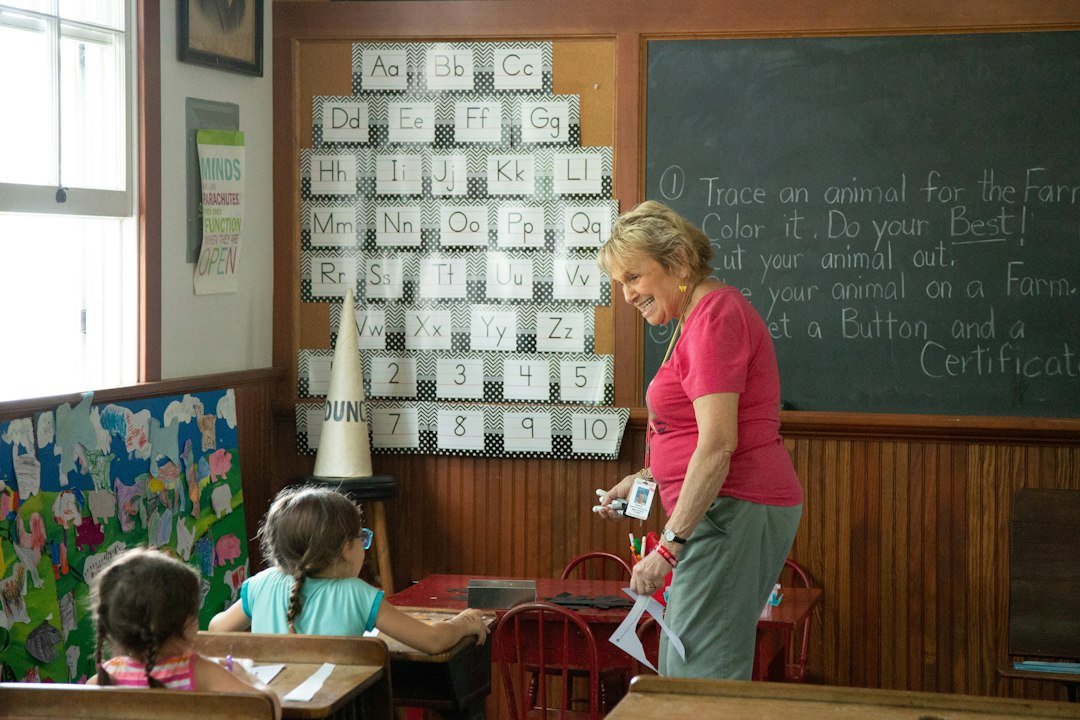
Integrating Christian Values in Regular Schools: A Path to Inclusivity
The Real Issue: Values Without Boundaries
In today’s educational landscape, educators face an often-overlooked dilemma: incorporating values education without crossing into religious instruction. The problem isn’t that schools resist teaching values; it’s the fear of overstepping boundaries. Most schools assume that discussing Christian values inherently excludes others, but in practice, these principles are part of a broader ethical framework that can unify rather than divide.
Practical Integration of Christian Values
To successfully integrate Christian values without isolating students from diverse backgrounds, we must focus on universal themes such as kindness, honesty, and empathy. These principles can be woven into classroom discussions and activities. For instance, stories from various cultural and religious texts can be used to highlight shared moral lessons, making them relatable to all students. The key is not in the religious origin of the stories but in the universal truths they convey.
Strategies to Navigate Concerns
One of the greatest challenges is addressing concerns about religious neutrality. To tackle this, schools can create open channels of communication with parents and the wider community. Hosting workshops and forums where stakeholders can discuss the goals and methods of the program can demystify the process. It’s crucial to frame these values as shared human ideals, not exclusive religious doctrines. Illustrative scenarios can help clarify how these values manifest in everyday interactions, promoting understanding and acceptance.
The Uncomfortable Truth
What feels like a limitation is often a decision not to prioritize inclusivity. Ignoring the integration of values leaves students without a moral compass in an increasingly complex world. The real challenge is not the lack of resources but the reluctance to engage in meaningful dialogue about ethical instruction. Schools must embrace this uncomfortable truth and commit to a more inclusive approach.
The Cost of Avoidance
Avoiding values-based education risks leaving students ill-equipped to make ethical decisions. The absence of such teachings can lead to a fragmented school environment where mutual respect and understanding are lacking. Moreover, students may miss crucial opportunities to develop the critical thinking skills necessary for ethical reasoning and personal growth.
Taking the Next Step
For those ready to embrace this integration, The Paidion Foundation offers expertise and resources to guide your efforts. By crafting a values-based framework that respects diverse beliefs, educators can foster an inclusive and compassionate community. Engage with us to develop programs that resonate with both students and the wider community.
Visit The Paidion Foundation for more information and support in this transformative journey.
References
- Children’s Ministry Resources, Best kid’s Sunday school curriculum, Lessons, Ideas – Kids Sunday School Place
- Printable Sunday School Lessons Curriculum For Children’s Ministry, Free Bible Studies, Sunday School
📸 Photo from Unsplash.
Leave a Reply