Balancing Digital and Traditional Approaches in Children’s Ministry: A Practical Guide
Transforming Children’s Ministry: More Than Just Tools
In the heart of a bustling Sunday school, a teacher faces a pivotal decision: embrace the digital Bible app or rely on the trusty paper flip charts? This isn’t just a choice about tools—it’s about shaping the future of children’s ministry. As church leaders, parents, and educators, we must understand that the challenge isn’t choosing one over the other. The real issue is how to effectively integrate both to cultivate a vibrant learning environment.
Why Digital Isn’t Just a Trend
Digital resources are more than a fleeting trend; they are essential for engaging today’s tech-savvy youth. With the capability to quickly update and disseminate content, digital tools can revolutionize how we teach. However, the issue isn’t solely about having access to these tools—it’s about leveraging them effectively. Most ministries assume that simply adopting digital tools will solve engagement problems. In practice, it’s the thoughtful integration that makes the difference.
The Enduring Value of Tradition
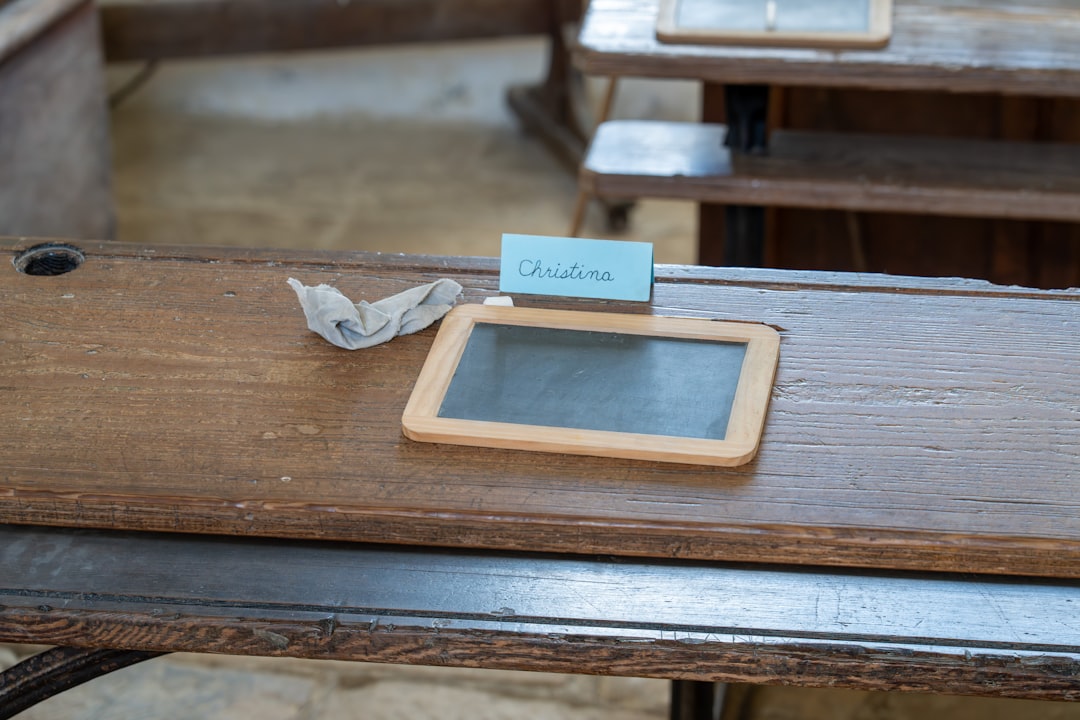
Traditional methods, like printed materials and hands-on activities, offer more than just nostalgia—they provide a grounded, tactile experience that digital tools often lack. These methods anchor children in a sense of familiarity and structure, crucial for foundational learning. Yet, relying solely on tradition can alienate a generation eager for interactivity. The problem isn’t tradition itself; it’s the failure to evolve it to meet current expectations.
Creating a Dynamic Hybrid Model
To truly engage and inspire, ministries must adopt a hybrid model that marries the strengths of both digital and traditional methods. Consider a Sunday school session where a digital story app captivates the children’s attention, followed by a hands-on craft that reinforces the lesson. This approach doesn’t just mix methods; it creates a multi-dimensional learning experience that caters to diverse learning styles.
Implementing Change: Practical Steps
Change starts with understanding your congregation. Survey your community to gauge their comfort with technology and their educational preferences. This insight will guide you in selecting a curriculum that aligns with your church’s mission. Utilize resources like the GO! Curriculum and Kids Sunday School Place to explore hybrid options that fit your needs. Remember, the key is not in the tools themselves but in how you use them to foster engagement.
The Cost of Inaction
The uncomfortable truth is that failing to adapt can lead to a disconnect with the digital-native generation. On the flip side, disregarding traditional methods risks losing the depth and richness they offer. What feels like a limitation is often a decision not to prioritize innovation and adaptation. By embracing a balanced approach, you not only preserve the essence of your ministry but also enhance its impact.
Ready to transform your approach to children’s ministry? Talk to us at The Paidion Foundation about how we can assist you in creating a more dynamic and engaging environment for learning and growth.
Leave a Reply