Archives October 2026

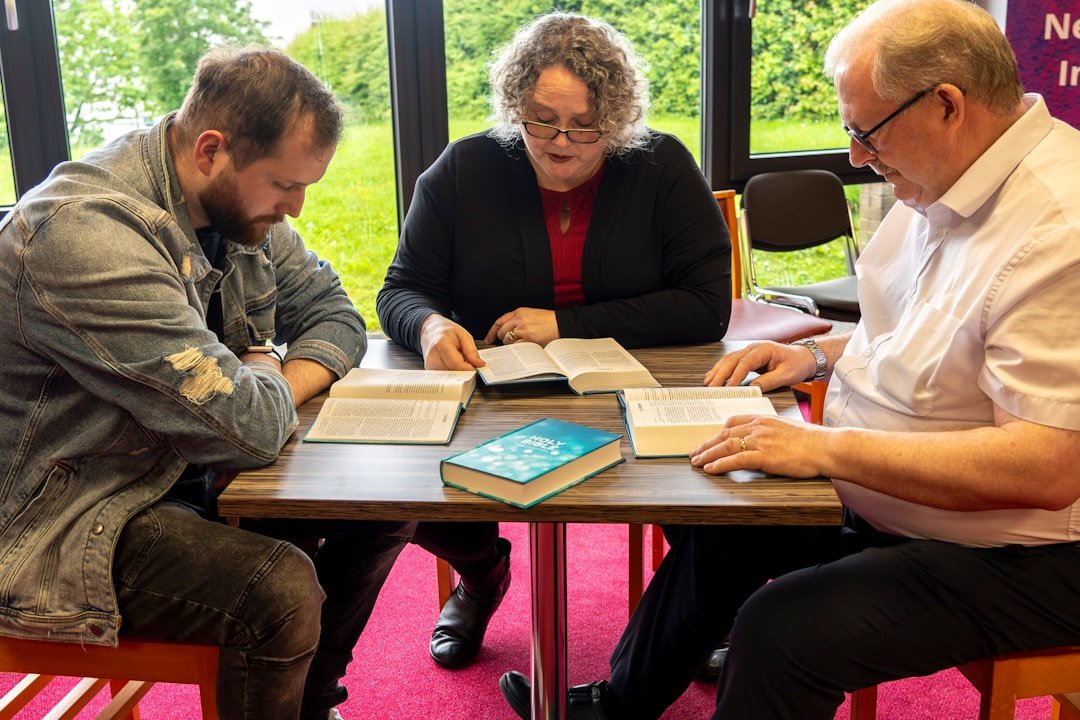
Integrating AI and Digital Media in Christian Education for Children

Addressing the Digital Gap in Christian Education

Children’s ministry leaders and Sunday School teachers are facing a pressing challenge: captivating a generation deeply immersed in digital media while delivering profound biblical teachings. In a world where kids are more likely to reach for a tablet than a book, traditional methods can struggle to keep their attention. So, how do we make timeless lessons resonate in a digital-first world?

The answer lies in harnessing AI and digital media to create interactive, engaging, and personalized educational experiences. These tools can transform Bible stories into vibrant digital narratives, allowing children to connect with faith on a deeper, more personal level.

Realigning Priorities: Technology as a Tool, Not a Distraction

It’s easy to perceive digital media as a threat to the sanctity of Christian teachings, overshadowing the spiritual with the flashy. However, the issue isn’t about the tools themselves; it’s about how they’re used. When integrated thoughtfully, technology can complement and even enhance spiritual education, rather than detract from it.

For instance, interactive apps and AI-driven platforms can adapt to individual learning paces, making complex biblical concepts more accessible. The key is to use digital tools as supplements that reinforce, rather than replace, the heart of Christian teachings.

Empowering Educators with the Right Skills

Adopting new technologies in Sunday School isn’t just about acquiring the latest gadgets. It requires a paradigm shift where educators are equipped not only with technical skills but also with strategies to integrate these tools effectively. Training sessions should focus on practical ways to incorporate AI and digital media into existing lesson plans, ensuring they align with educational goals.

This investment in training is crucial. By empowering teachers and leaders with these skills, we can ensure they remain effective guides in a digitally-driven world. For more guidance on this transition, you can explore resources at The Paidion Foundation.

The Consequence of Inaction

Ignoring the digital shift isn’t an option. Children today crave interactive, personalized learning experiences, and overlooking this need risks alienating them from the very teachings we strive to impart. Traditional methods alone may no longer suffice to keep young minds engaged and inspired.

Adapting to digital media is not merely about meeting children where they are; it’s about revitalizing Christian education to ensure its messages resonate deeply. This adaptation is critical to maintaining relevance in an ever-evolving digital landscape.

Actionable Steps Forward

Embarking on this transformation doesn’t mean overhauling everything at once. Start by piloting digital tools in small, manageable settings, and gather honest feedback from both students and educators. This iterative approach allows for refinement and ensures that technology enhances rather than distracts from teaching objectives.

To support this transformation, resources like Lifeway’s Children’s Ministry Resources offer valuable insights and tools for successful integration.

Take the Next Step

Ready to explore what this could mean for you? Talk to us at The Paidion Foundation.

References

📸 Photo from Unsplash.
Integrating Christian Values in Regular Schools: A Path to Inclusivity

The Real Issue: Values Without Boundaries

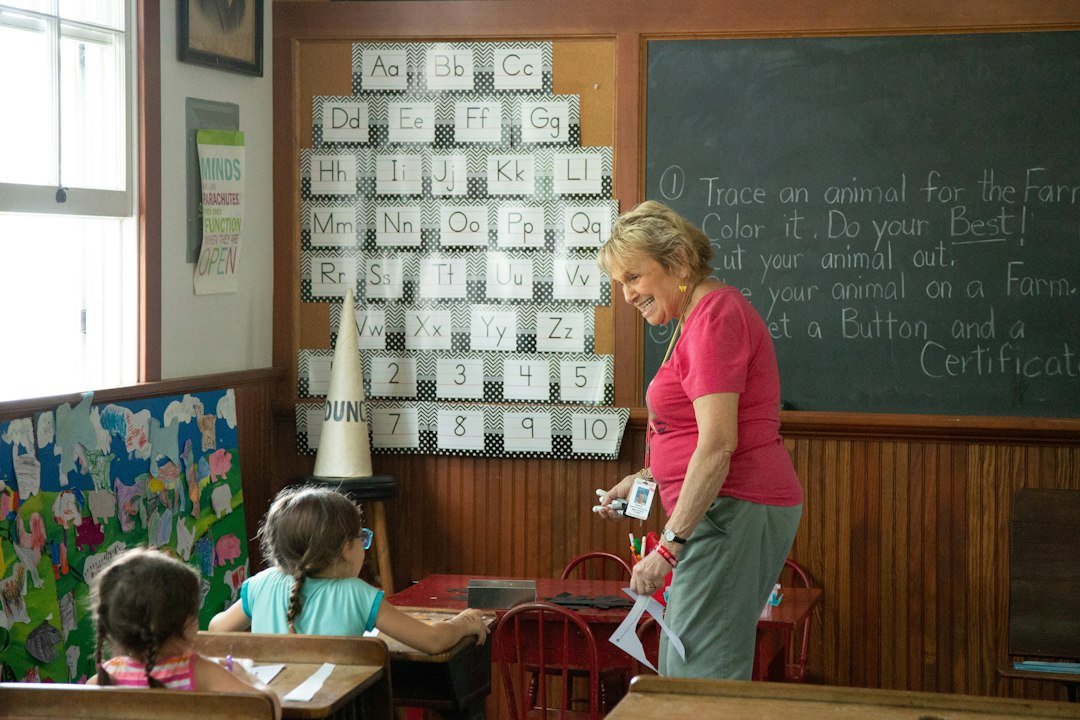
In today’s educational landscape, educators face an often-overlooked dilemma: incorporating values education without crossing into religious instruction. The problem isn’t that schools resist teaching values; it’s the fear of overstepping boundaries. Most schools assume that discussing Christian values inherently excludes others, but in practice, these principles are part of a broader ethical framework that can unify rather than divide.

Practical Integration of Christian Values

To successfully integrate Christian values without isolating students from diverse backgrounds, we must focus on universal themes such as kindness, honesty, and empathy. These principles can be woven into classroom discussions and activities. For instance, stories from various cultural and religious texts can be used to highlight shared moral lessons, making them relatable to all students. The key is not in the religious origin of the stories but in the universal truths they convey.

Strategies to Navigate Concerns

One of the greatest challenges is addressing concerns about religious neutrality. To tackle this, schools can create open channels of communication with parents and the wider community. Hosting workshops and forums where stakeholders can discuss the goals and methods of the program can demystify the process. It’s crucial to frame these values as shared human ideals, not exclusive religious doctrines. Illustrative scenarios can help clarify how these values manifest in everyday interactions, promoting understanding and acceptance.

The Uncomfortable Truth

What feels like a limitation is often a decision not to prioritize inclusivity. Ignoring the integration of values leaves students without a moral compass in an increasingly complex world. The real challenge is not the lack of resources but the reluctance to engage in meaningful dialogue about ethical instruction. Schools must embrace this uncomfortable truth and commit to a more inclusive approach.

The Cost of Avoidance

Avoiding values-based education risks leaving students ill-equipped to make ethical decisions. The absence of such teachings can lead to a fragmented school environment where mutual respect and understanding are lacking. Moreover, students may miss crucial opportunities to develop the critical thinking skills necessary for ethical reasoning and personal growth.

Taking the Next Step

For those ready to embrace this integration, The Paidion Foundation offers expertise and resources to guide your efforts. By crafting a values-based framework that respects diverse beliefs, educators can foster an inclusive and compassionate community. Engage with us to develop programs that resonate with both students and the wider community.

Visit The Paidion Foundation for more information and support in this transformative journey.

References

📸 Photo from Unsplash.

Transformative Training: Empowering Sunday School Teachers

The Crucial Shift in Sunday School Education

Every Sunday, dedicated teachers face the challenge of capturing the attention of children who are increasingly distracted by the world outside. The issue isn’t a lack of passion; it’s the need for a transformative approach to teaching. Most teams assume enthusiasm is enough, but in practice, structured training is the missing link. The real problem is not the content of the lessons, it’s the method of delivery.

The Shift from Traditional to Transformational Teaching

Transformational teaching requires more than just reading from a textbook. It’s about equipping teachers with innovative tools and strategies that make biblical lessons come alive. This shift is vital. A robust training program integrates theoretical knowledge with practical applications, empowering teachers to adapt and thrive in their teaching environment. For instance, instead of merely reading a parable, a trained teacher might use interactive storytelling or role-play to deeply engage students, making lessons not only informative but memorable.

Unlocking the Potential of Every Child

A well-prepared teacher can transform a classroom. Children are unique, each with their own learning style. Trained teachers are adept at recognizing and nurturing these differences, creating an inclusive environment where every child can flourish. When lessons are tailored, children aren’t just passive listeners; they become active participants, eager to learn and discuss biblical teachings. This engagement is crucial for instilling a lifelong love of learning and a profound understanding of biblical principles.

The Consequences of Overlooking Training

Ignoring the importance of comprehensive training can have dire consequences. Without it, teachers often revert to outdated methods that fail to captivate today’s youth. The classroom becomes a place of routine rather than inspiration, leading to disengagement. Moreover, inconsistency in teaching quality can erode the trust and effectiveness of the ministry as a whole. What feels like a resource limitation is often a decision not to prioritize strategic training.

Actionable Steps for Empowerment

The path to impactful teaching starts with acknowledging the need for change. Begin by assessing current training resources and identifying gaps. Develop a program that incorporates continuous learning and feedback. This might include regular workshops, peer mentoring, and access to creative curricula like those offered by Children’s Bible Curriculum and Christianbook.com. Don’t settle for superficial updates; aim for a comprehensive transformation.

Connect with Us for Guidance

For those ready to take the next step, Visit The Paidion Foundation for expert guidance and resources tailored to your needs. Let’s talk about how we can support your journey to empower Sunday School teachers and inspire a new generation of learners.

References

📸 Photo from Unsplash.

Navigating AI and Digital Media in Children’s Ministry: Finding Balance

Balancing Innovation with Tradition in Children’s Ministry

Imagine stepping into a bustling children’s ministry session where AI-driven tools are reshaping the way Bible stories are taught. While the technology dazzles with interactive quizzes and personalized learning paths, there’s an underlying tension: Is technology enhancing or overshadowing the human connections that are at the heart of ministry work?

The challenge isn’t about choosing between technology and tradition; it’s about integrating them wisely. Most ministries assume that more technology means better engagement, but in reality, it’s the thoughtful combination of digital tools with personal interaction that creates a truly enriching experience.

Transformative Potential of AI

AI offers a compelling opportunity to transform how children engage with biblical teachings. By tailoring lessons to individual learning styles, AI can make scripture more accessible and engaging. For example, AI can adapt a lesson in real-time, offering visualizations for visual learners or interactive storytelling for those who learn best through narratives. This approach not only captivates young minds but also fosters a deeper understanding of biblical principles.

However, the real power of AI lies in its ability to supplement—not replace—traditional teaching methods. The goal should be to use AI as a tool to enhance the ministry’s mission, not as an endpoint in itself. Explore resources that help blend AI with traditional methods for a holistic approach.

Risks of Over-Dependence on Technology

Picture a classroom where screens dominate every lesson. While digital media can be incredibly engaging, it risks creating a passive learning environment. Children engrossed in screens may miss out on developing crucial interpersonal skills that come from face-to-face interactions with peers and mentors. The issue isn’t the technology itself—it’s the over-reliance on it that can lead to diminished personal connections.

Ministry leaders must recognize that technology is a tool, not a crutch. By ensuring that digital media complements rather than replaces personal interaction, they can avoid the trap of superficial engagement. The challenge is not just to use technology, but to use it wisely to foster meaningful connections.

Strategies for Effective Integration

To integrate AI and digital media effectively, ministry leaders need clear strategies. Begin by evaluating the effectiveness of digital tools in enhancing both learning and interaction. Solicit regular feedback from children and teachers to identify what truly enhances the learning experience. This feedback loop is essential for refining how technology is used.

Moreover, ensure that digital media is part of a broader educational strategy that includes personal interaction. For instance, after an AI-driven lesson, gather the children for a group discussion to reinforce learning and build personal connections. This blend of technology and human interaction creates a more dynamic and fulfilling learning environment.

Visit The Paidion Foundation for resources and support on how to effectively blend digital innovation with traditional teaching methods.

Long-Term Implications of Neglecting Balance

Ignoring the need for balance between digital and personal interaction can lead to a ministry that is engaging but ultimately lacking in depth. While children may enjoy the lessons, they risk missing out on the core values of community and personal growth that are integral to faith development. The danger lies in creating a ministry experience that is enjoyable but fails to instill a profound understanding of the faith.

The objective is not to shy away from digital tools but to ensure they enhance rather than overshadow the foundational elements of children’s ministry. By doing so, ministries can remain relevant while staying true to their mission of fostering deep, personal connections.

Moving Forward with Purpose

Start by evaluating your current use of AI and digital media within your ministry. Identify areas where technology can complement, rather than replace, traditional methods. For guidance and resources on navigating this integration effectively, talk to us at The Paidion Foundation.

For additional perspective, Children’s Bible Curriculum: Engaging Sunday School Lessons for Kids | PPH provides useful context for this issue.

References

📸 Photo from Unsplash.