Archives May 2026

Addressing the Training Gap for Sunday School Teachers

The Real Challenge in Sunday School Education

Every Sunday, passionate volunteers step into classrooms ready to teach, yet many find themselves unprepared for the task at hand. This disconnect isn’t about enthusiasm; it’s about preparation. When volunteers lack the necessary training, the result is inconsistent lesson delivery and diminished engagement from children. The problem is not a lack of willingness; it’s the absence of a structured training framework that bridges the gap between enthusiasm and effective teaching.

Training: The Keystone of Effective Teaching

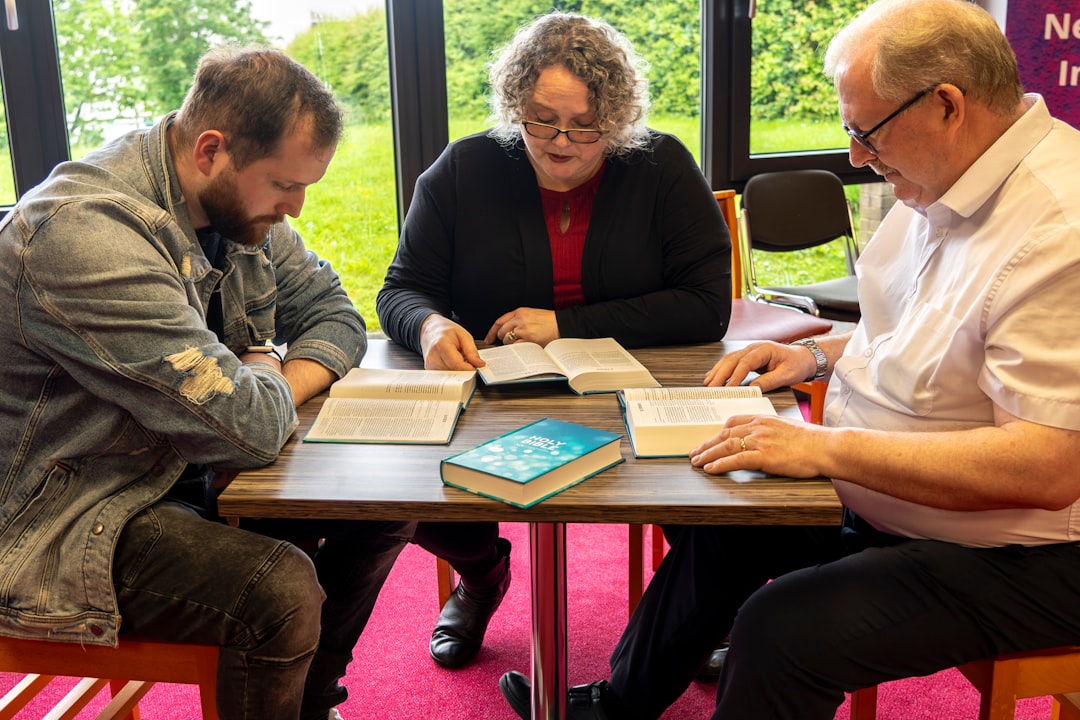
Most churches assume that a brief orientation is sufficient, but in practice, this is rarely true. Volunteers need more than just an introduction; they require ongoing, targeted training to truly thrive. Training is not just a checkbox; it’s the cornerstone of creating a nurturing, impactful environment. Without it, volunteers miss key opportunities to engage and inspire, leading to a decline in both the quality of education and the enthusiasm of participants.

Transformative Training Through Practical Engagement

Churches often overlook the transformative power of hands-on training. The issue is not a lack of resources — it’s inconsistent execution. Structured, practical training programs that include interactive workshops and resource sharing are pivotal. This approach equips volunteers with real-world tools and techniques, enabling them to deliver lessons that captivate and educate.

Building an Effective Training Framework

Developing a comprehensive training program is not optional; it’s essential. Start by assessing the current training gaps and identifying specific needs. Utilize resources like the Top 12 Resources for Sunday School Teacher Training to build a robust curriculum. Consider partnerships with organizations that specialize in volunteer teacher training to enhance your program’s effectiveness.

Moving Forward with Purpose

Closing the training gap requires intentional action and investment. Start by evaluating your current support systems and pinpointing areas for improvement. Remember, what feels like a limitation is often a decision not to prioritize. If you’re ready to elevate your training programs, talk to us at The Paidion Foundation. Together, we can transform your ministry into a beacon of effective teaching and meaningful engagement.

References

📸 Photo from Unsplash.

Innovative Approaches to Sunday School Curriculum Development

Confronting the Challenges in Sunday School

Picture this: it’s Sunday morning, and the Sunday school classroom is filled with restless energy. Traditional methods that once captured imaginations now barely hold the attention of children who are digital natives. The heart of the issue isn’t an aversion to biblical teachings but rather a disconnect between age-old methods and the digital-first mindset of today’s youth. Relying solely on tradition in a world dominated by technology is not just outdated; it’s a recipe for disengagement.

Why Sticking to the Old Ways Fails

Most church leaders assume that maintaining traditional teaching methods will preserve the sanctity of biblical teachings. However, the real problem isn’t preserving tradition; it’s failing to adapt it. While tradition lays the foundation, innovation is the key to building an engaging learning environment. The fact is, ignoring technological advances risks alienating the very audience we aim to inspire. What feels like a steadfast commitment to tradition is often a reluctance to evolve.

Integrating Technology with Purpose

The misconception that technology alone holds the answer is prevalent. In reality, tools are only as effective as the strategies behind them. The aim should be creating a dynamic curriculum that blends digital tools with story-driven teaching. For instance, using interactive applications to explore biblical stories like Jonah and the Whale can ignite a passion for learning that extends beyond the classroom. It’s not about replacing traditional methods but enhancing them.

Tangible Steps to Innovate Your Curriculum

If you’re serious about revitalizing your Sunday school, start with a thorough review of your current curriculum. Utilize resources like the GO! Curriculum to identify strengths and areas for improvement. Invest in digital tools that complement your educational goals and seek out training opportunities to empower your teaching staff. The payoff is clear: not only do children become more engaged, but parents will also witness a newfound enthusiasm in their children towards Sunday school.

The Path Forward

True progress comes from a willingness to adapt and innovate. Begin by evaluating your existing materials and consider partnerships with organizations that specialize in modern educational solutions. Striking a balance between the steadfastness of tradition and the opportunities presented by modern technology is crucial for captivating the digital generation. Ready to make a change? Talk to us and explore how we can support your journey toward a more vibrant and engaging Sunday school experience.

References

📸 Photo from Unsplash.

Crafting Engaging Sunday School Lessons for All Ages

The Real Sunday School Challenge

Every Sunday, teachers face the daunting task of connecting biblical truths with the hearts and minds of children living in an entertainment-saturated world. It’s not just about presenting information; it’s about engaging with children whose attention spans are tested by the digital age. The real issue is not a lack of resources, but a need for creativity and adaptability in lesson planning.

Transforming Lessons Beyond Tradition

Most educators assume traditional teaching methods will suffice, but in practice, these often fall flat. The key is transforming lessons beyond mere tradition into memorable experiences. Start by embracing interactive methods that bring lessons to life. Role-playing, group discussions, and multimedia elements don’t just keep kids interested—they spark imagination and deepen understanding.

Tailoring Lessons for Impact

Adapting lessons to different age groups is crucial. Younger children thrive on visuals and hands-on activities, while older kids need more depth and critical engagement. Instead of a one-size-fits-all approach, tailor lessons to match developmental stages. This means regularly iterating and refining your approach based on direct feedback from students and insights from parents.

Stagnation: The Silent Saboteur

Stagnant lessons are seldom recognized as the threat they truly are. When lessons fail to evolve, they become dull, leading to disengagement. In an age where content is dynamic and captivating, a static lesson plan is counterproductive. The issue isn’t just keeping pace with external content, but consistently innovating to make lessons meaningful.

A New Paradigm in Lesson Planning

Innovation is not optional; it is imperative. Create a rich and dynamic learning environment by integrating diverse methods and continuously refreshing lesson plans. Use storytelling to make biblical narratives relatable, and encourage critical thinking through open-ended questions that invite reflection and discussion. Remember, authentic engagement is not an accessory to education—it is its essence.

Take Action Today

Commit now to revamping your Sunday school approach. Start by auditing your current lessons. Identify areas that need reinvention and brainstorm with your teaching team. For further guidance and support, talk to us at The Paidion Foundation. Together, we can craft a Sunday school experience that resonates deeply and leaves a lasting impact.

References

📸 Photo from Unsplash.

Empowering Sunday School Educators Through Effective Training Programs

Transforming Sunday School Education: The Training Imperative

In the dynamic environment of faith-based education, one thing is evident: the quality of Sunday school teaching hinges on effective training. Yet, many churches find themselves in a cycle of outdated methods and underprepared educators. The challenge isn’t just about filling gaps; it’s about reimagining how training can become a cornerstone of impactful teaching.

Redefining Training: Insights from the Frontline

Instead of relying on generic workshops, successful churches are embracing immersive training that addresses specific classroom challenges. Take, for example, a community that shifted from lecture-style sessions to interactive workshops on classroom management and creative lesson planning. Participants didn’t just learn techniques; they practiced them, leading to a tangible boost in their confidence and effectiveness.

One teacher reported a paradigm shift after attending a session on engaging teaching methods. The result? Her students not only participated more but also retained and enjoyed learning more about their faith.

Why Quality Training Transcends Techniques

The problem isn’t merely the absence of training; it’s the lack of purposeful, adaptable training that considers the evolving needs of modern students. Well-crafted programs don’t just teach; they transform educators into facilitators of faith exploration, enhancing students’ spiritual journeys.

This transformation is crucial as the landscape of religious education evolves. Today’s parents and church leaders are increasingly aware that meaningful engagement in faith starts with educators who are equipped to inspire and adapt.

Confronting the Resource Myth

Many churches cite budget restrictions as the primary barrier to effective training. However, the real issue often lies in prioritization. Investing in educator training isn’t an expense; it’s a commitment to quality education. Churches must shift their perspective and seek partnerships with denominations or organizations that provide structured training frameworks.

These collaborations can alleviate financial pressures and bring in expertise that individual congregations may lack. Moreover, regular training refreshers keep educators inspired and informed, directly impacting the quality of teaching.

Charting a New Course for Your Church

Church leaders need to take decisive steps toward integrating comprehensive training programs into their educational blueprint. By doing so, they are not just enhancing teaching skills but are also investing in the spiritual growth of their congregation’s future leaders.

Are you ready to elevate your Sunday school education? Talk to us at The Paidion Foundation. We are committed to guiding you in crafting impactful training programs that resonate with your educators and students alike.

Further Reading

📸 Photo from Unsplash.

The Transformative Power of Digital Resources in Sunday School Education

Navigating the Digital Landscape in Sunday School

Sunday school educators today face a pressing challenge: how to captivate the attention of children who are growing up in a digital-first world. While traditional teaching methods have their place, they often fall short of engaging young minds that are more accustomed to interactive and multimedia experiences. The real issue isn’t a lack of resources—it’s the hesitation to embrace digital tools that can transform learning.

Transforming Engagement with Digital Resources

Digital tools offer more than just novelty; they provide a powerful means to deepen engagement and understanding. Interactive Bible apps, online videos, and virtual storytelling platforms allow educators to present lessons in a way that resonates with today’s tech-savvy youth. This isn’t just about keeping up with trends; it’s about making faith-based education more relevant and impactful.

For instance, using an app to animate Bible stories can turn a passive listening experience into an interactive journey. This approach not only makes lessons more memorable but also encourages children to explore and discuss the material actively, fostering a richer educational experience.

Overcoming Resistance and Challenges

Despite the clear benefits, a significant barrier remains: the reluctance to adopt digital tools. Many educators are intimidated by technology, fearing a steep learning curve and potential costs. However, the real problem isn’t the technology itself—it’s the lack of training and support.

Without embracing these tools, Sunday schools risk becoming irrelevant to children who are otherwise engaged by digital media outside the church. The challenge is not just technological but cultural, requiring a shift in mindset and practice.

Actionable Steps for Digital Integration

To successfully integrate digital resources, the focus must be on equipping educators with the necessary skills and confidence. This involves practical, hands-on training sessions that demystify technology and demonstrate its application in the classroom.

Churches should consider organizing workshops where educators can experiment with various digital tools, share insights, and learn collaboratively. Evaluating cost-effective and accessible resources is crucial to ensure that every educator can implement these tools without financial strain.

For example, creating a resource-sharing community within the church can reduce costs and foster a supportive learning environment, where educators learn from each other’s successes and challenges.

Embracing Change with Assurance

The future of Sunday school education lies in the effective use of digital resources. By prioritizing training and resource allocation, church leaders can empower their educators to create dynamic and engaging learning experiences. The real challenge is not the tools themselves but the willingness to embrace change and the discipline to execute consistently.

Talk to us to discover how The Paidion Foundation can assist your transition to digital teaching methods.

References

📸 Photo from Unsplash.

Strengthening Sunday School: The Collaborative Role of Parents

Rethinking Sunday School: A Call to Action for Parents

Picture this: a Sunday School teacher pours their heart into a lesson, only for it to dissipate by Monday. The issue isn’t the curriculum; it’s the gap between church and home. Many parents unknowingly leave the spiritual education of their children solely to Sunday School, missing a crucial opportunity to reinforce and deepen these teachings. It’s time to address the real problem: the untapped potential of parental involvement.

Transforming Lessons into Daily Life

The strength of a Sunday School program doesn’t end when the class does. The true power lies in transforming lessons into everyday life experiences, and parents are the key to this transformation. When parents engage actively, they bridge the gap between church teachings and family life. This isn’t just about helping kids remember a lesson; it’s about embedding these teachings into the fabric of their daily experiences.

For instance, a lesson on kindness can be more than just words in a classroom. Parents can initiate family discussions on acts of kindness they’ve observed throughout the week or plan activities that embody kindness, making these teachings a living, breathing part of home life. This approach doesn’t merely reinforce lessons; it cultivates a family culture rooted in the values taught at church.

Why Parental Involvement Can’t Wait

In a world where families juggle multiple commitments, finding time for religious education at home might seem daunting. Yet, this collaboration with Sunday School is critical. Without it, spiritual teachings risk becoming just another checkbox in a busy schedule. The problem is not the lack of time but the lack of integration into daily life. Parents must recognize the value of weaving these spiritual lessons into everyday activities.

Doing so ensures that religious education becomes a continuous journey rather than a weekly appointment. It fosters a holistic environment where children can explore and question their faith, leading to more profound and lasting spiritual growth.

Actionable Strategies for Parents

Parents eager to make a meaningful impact can start by implementing these practical strategies:

  • Create a Home Learning Environment: Use resources like discussion guides and activity kits provided by your church to bring lessons home. Tailor these materials to fit your family’s unique dynamic and interests.
  • Maintain Open Dialogue: Set up regular communication with Sunday School teachers to stay informed about upcoming lessons and themes. This alignment allows you to reinforce these teachings at home effectively.
  • Model the Teachings: Children learn by example. Demonstrate the values and lessons from Sunday School in your behavior and decisions, showing that these teachings are not just theoretical but practical.

The Uncomfortable Truth: The Cost of Neglect

Here’s a hard truth: If parents remain passive, the spiritual education of their children will suffer. The issue is not the lack of resources but the decision not to prioritize this integration. When parental involvement is absent, children may only superficially understand their faith, missing out on the deeper connection that sustains spiritual growth. This oversight can have lasting implications, affecting a child’s lifelong relationship with their faith.

Start the Collaboration Today

Unlock the full potential of your child’s spiritual journey by embracing your role in their religious education. The Paidion Foundation is here to support you in fostering a collaborative environment that bridges church and home. Let’s work together to ensure that the seeds planted in Sunday School flourish throughout the week. Talk to us today to explore how we can support your efforts.

Further Resources

📸 Photo from Unsplash.

Enhancing Sunday School with Comprehensive Teacher Training

Breaking the Cycle: The Imperative of Teacher Training in Sunday Schools

Imagine a dedicated Sunday School teacher standing before her class, well-meaning but unsure of how to connect with each child’s unique way of learning. Her passion is palpable, yet her approach feels inadequate. This is not just an isolated challenge; it is a systemic issue undermining many Sunday Schools today: a severe lack of effective teacher training. The problem is not a lack of commitment, but rather a shortfall in equipping educators with the skills necessary to truly engage and inspire.

Beyond Basics: Rethinking Teacher Training

Sunday Schools often rely on traditional teaching methods, assuming that dedication alone equates to impact. But the truth is, passion without preparation often leads to disengagement. Comprehensive teacher training is the key to transforming this dynamic. It’s not about replacing passion but enhancing it with practical tools and strategies.

Training programs that emphasize interactive and diverse teaching methods can revolutionize how educators engage students. Imagine a Sunday School class where storytelling, hands-on activities, and dynamic discussions are not the exceptions but the norm. This approach not only catches the interest of children but also fosters a more meaningful learning environment.

Why Act Now? The Urgency of Modernizing Teaching Approaches

In today’s world, children are continuously bombarded with digital and interactive content that traditional methods can’t compete with. Sunday Schools must pivot to address these changes head-on. The urgency of adapting to modern learning preferences isn’t just about staying relevant; it’s about ensuring spiritual growth doesn’t lag in an increasingly secular world.

Effective teacher training equips educators to navigate these challenges, ensuring they can provide a religious education that is not only high-quality but also engaging. This is not a future goal; it’s an immediate necessity.

Implementing Change: Steps to Elevate Teacher Training

Change doesn’t happen in isolation. Here are some concrete steps to enhance teacher training:

  • Audit Existing Resources: Begin by evaluating your current training resources. Explore comprehensive programs such as those available from Children’s Ministry Deals and GO! Curriculum.
  • Foster a Learning Culture: Encourage continuous improvement through regular workshops, webinars, and peer learning sessions. This isn’t a one-off process but an ongoing journey.
  • Leverage Technology: Utilize digital platforms for delivering training modules, making learning accessible and flexible for educators.

The Cost of Complacency

The uncomfortable truth is that ignoring teacher training can have dire consequences. Without it, lessons fall flat, children disengage, and teachers burn out. This not only hampers spiritual education but also risks turning Sunday School into a mundane obligation rather than an inspiring journey.

Forge a New Path: Start the Conversation

Transforming Sunday School isn’t about minor tweaks; it’s about a fundamental shift in how we prepare and support our educators. The first step? Prioritize teacher training. Talk to us about how The Paidion Foundation can assist in shaping a future where every teacher is fully equipped to inspire and every student is eager to learn.

📸 Photo from Unsplash.

Revamping Sunday School Engagement: The Power of Interactive and Multimedia Approaches

Confronting the Engagement Crisis in Sunday School

During another Sunday School session, a common frustration surfaces: children, surrounded by distractions, fail to connect with traditional lesson plans. Even the most dedicated teachers struggle to hold the attention of a generation that thrives on digital interaction. This isn’t just a minor inconvenience; it’s a wake-up call. Sunday School educators face an urgent need to adapt their strategies to engage a tech-savvy youth effectively, or risk losing them entirely.

Beyond Tradition: Embracing Interactive Learning

The issue isn’t a lack of effort, it’s a lack of relevance. While many still cling to conventional teaching methods, the reality is that static lessons can’t compete with the vibrant, interactive experiences children enjoy elsewhere. What’s needed is a blend of the timeless and the contemporary: an approach that integrates multimedia and interactive elements to breathe new life into biblical narratives.

Consider this: when biblical stories are told through a captivating animated video, children don’t just listen; they experience. This transformation does more than capture attention—it deepens understanding and reinforces memories. Interactive storytelling not only engages but also empowers children to connect more personally with their faith.

Why Change is Imperative

Interactive and multimedia approaches are no longer optional; they are essential to maintain relevance in today’s media-saturated world. The challenge is to recognize that the future of church communities hinges on how effectively we inspire our youngest members. Investing in these methods is not about keeping up with trends; it’s about laying a foundation for lifelong faith and involvement.

Strategically Incorporating New Techniques

You don’t need to dismantle existing structures to integrate fresh methods. Here’s a pragmatic roadmap:

  • Incorporate Interactive Storytelling: Start small by adding engaging stories that children can interact with, whether through digital platforms or creative physical activities.
  • Leverage Multimedia Resources: Identify age-appropriate videos and digital storytelling tools that align with your curriculum. Websites like Ministry To Children and Kids Sunday School Place offer a treasure trove of ideas.
  • Engage with Technology Wisely: Use tablets or interactive boards to create immersive learning environments that go beyond passive consumption and encourage active participation.

The Cost of Standing Still

Here’s the uncomfortable truth: ignoring the call to adapt risks more than just disengaged students; it risks creating a disconnect with the church itself. As digital media continues to evolve, failing to modernize teaching methods could ultimately weaken children’s connection to their faith community. Proactive change is crucial to sustain the vibrancy and effectiveness of Sunday School.

Let’s Forge Ahead Together

This is a pivotal moment for educators committed to fostering spiritual growth in children. To support and guide you through this evolution, we invite you to talk to us. Let us help you innovate your teaching strategies to captivate and inspire the new generation.

Resource Links

📸 Photo from Unsplash.

Balancing Tradition and Innovation in Children’s Ministry: Safeguarding the Future

The Pressure to Evolve in Children’s Ministry

The tension is palpable in many church meetings. Leaders find themselves at a crossroads, caught between the legacy of time-honored traditions and the need to captivate a digitally immersed younger generation. It’s not merely a choice between the old and the new; it’s about being relevant while rooted. The real issue isn’t whether to innovate or preserve tradition—it’s how to weave them seamlessly together to sustain a meaningful spiritual journey for our children.

The Real Challenge: Misjudging the Role of Tradition

Too often, churches mistake unyielding tradition for steadfast faith. The problem isn’t a lack of innovation; it’s clinging to rituals that no longer speak to the hearts of the young. Tradition should be a foundation, not a cage. The key is discerning which practices foster genuine engagement and which ones stifle creativity. Retaining core values doesn’t mean resisting change but rather integrating it intelligently.

The Cost of Stagnation: Losing the Next Generation

Neglecting innovation is a silent threat. Churches that fail to engage the imagination and curiosity of children risk becoming irrelevant. The uncomfortable truth is this: disengaged youth today become disenchanted adults tomorrow. Innovation isn’t just a creative option; it’s a necessity for survival. It’s about speaking the language of the present to pass on timeless truths.

Actionable Insights: Merging Innovation with Tradition

So, how do we strike this balance? Start by leveraging technology in your programs to create immersive learning experiences. For instance, consider incorporating interactive Bible apps or virtual storytelling platforms. But don’t stop there—use these tools to deepen understanding of traditional messages. This is not about replacing the old but enriching it with the new.

Engagement through Inclusive Dialogue

Open a dialogue with both young members and their parents to understand their perspectives. What resonates with them? Actively involve them in decision-making processes, allowing them to contribute ideas for integrating new methods. Their insights can be invaluable in reshaping your approach without compromising core doctrine.

Take the First Step: Innovate Thoughtfully

Don’t leap, but take calculated steps forward. Introduce pilot programs or trial innovative teaching methods, then measure their impact. Use resources like the GO! Curriculum Hub to find approaches that respect tradition while offering new engagement methods. Remember, every new method should aim to enhance, not erase, the core teachings.

Your Partner on This Journey

Transforming children’s ministry to balance tradition with innovation is a shared journey. It requires commitment, creativity, and sometimes uncomfortable choices. At The Paidion Foundation, we are here to support you. For personalized guidance and resources, talk to us. Together, we can nurture a future where faith and innovation flourish hand in hand.

📸 Photo from Unsplash.

The Role of Technology in Modern Sunday School Education: Embracing the Future

Pressure to Evolve

You’re in a Sunday school class where the traditional methods of flannel boards and handouts are slowly losing their impact on today’s tech-savvy kids. Pastors, parents, and educators face a daunting question: How do we make scripture resonate in a digital world? The stakes are high. Miss this shift, and the church may struggle to connect with a generation that’s fluent in swipes and clicks.

The Real Challenge: Engagement, Not Equipment

It’s a common misbelief that integrating technology is about amassing expensive gadgets. The real challenge is engagement. Children today are accustomed to dynamic, interactive content. The issue isn’t having the latest tech; it’s about using technology to make Bible stories as compelling as a video game or a YouTube series. Most Sunday schools assume they need complex systems to start. In reality, even a simple tablet and a projector can transform a static lesson into an interactive experience.

Insights for a Digital Transformation

So, what does this mean for your Sunday school? Recognize that technology isn’t a replacement but a complement to traditional teaching. It’s about enhancing—not overshadowing—the core message. Why does this matter? Because engagement is the gateway to retention. If children are excited to learn, they’re more likely to internalize the teachings. Start by identifying where technology can naturally augment your sessions. Use interactive Bible apps or digital storytelling to make lessons come alive.

Practical Steps Forward

Don’t leap without a plan. Here’s how to proceed strategically:

  • Start Small: Begin with free or low-cost digital resources that align with your curriculum.
  • Empower Educators: Invest in training for your teachers, helping them become comfortable with new tools. This isn’t about turning them into tech experts but giving them confidence in a new medium.
  • Engage with Experts: Partner with organizations like The Paidion Foundation for guidance on integrating technology effectively.

Facing the Uncomfortable Truth

Here’s the uncomfortable truth: The issue isn’t that there’s a lack of tools; it’s that some educators are hesitant to prioritize this shift. The reluctance often stems from a fear of the unknown or an attachment to traditional methods. Yet, prioritizing this evolution is essential for staying relevant. Remember, it’s not just about keeping pace with technology but about staying connected with the youth.

Seize the Future

The potential for technology to enrich Sunday school education is limitless. By embracing these advancements, you not only foster a more engaging learning environment but also ensure that spiritual teachings remain vibrant and relevant. Ready to take the next step? Talk to us about how you can integrate technology into your educational programs and keep your ministry thriving.

Further Resources

📸 Photo from Unsplash.